


Caring for our common home | Term 1
MS STEPH VARDAS, SUSTAINABILITY COORDINATOR
Manresa Internship
“All life is deeply connected; our care for the environment must reflect the care we have for one another.” – Pope Francis, Laudate Deum (15)
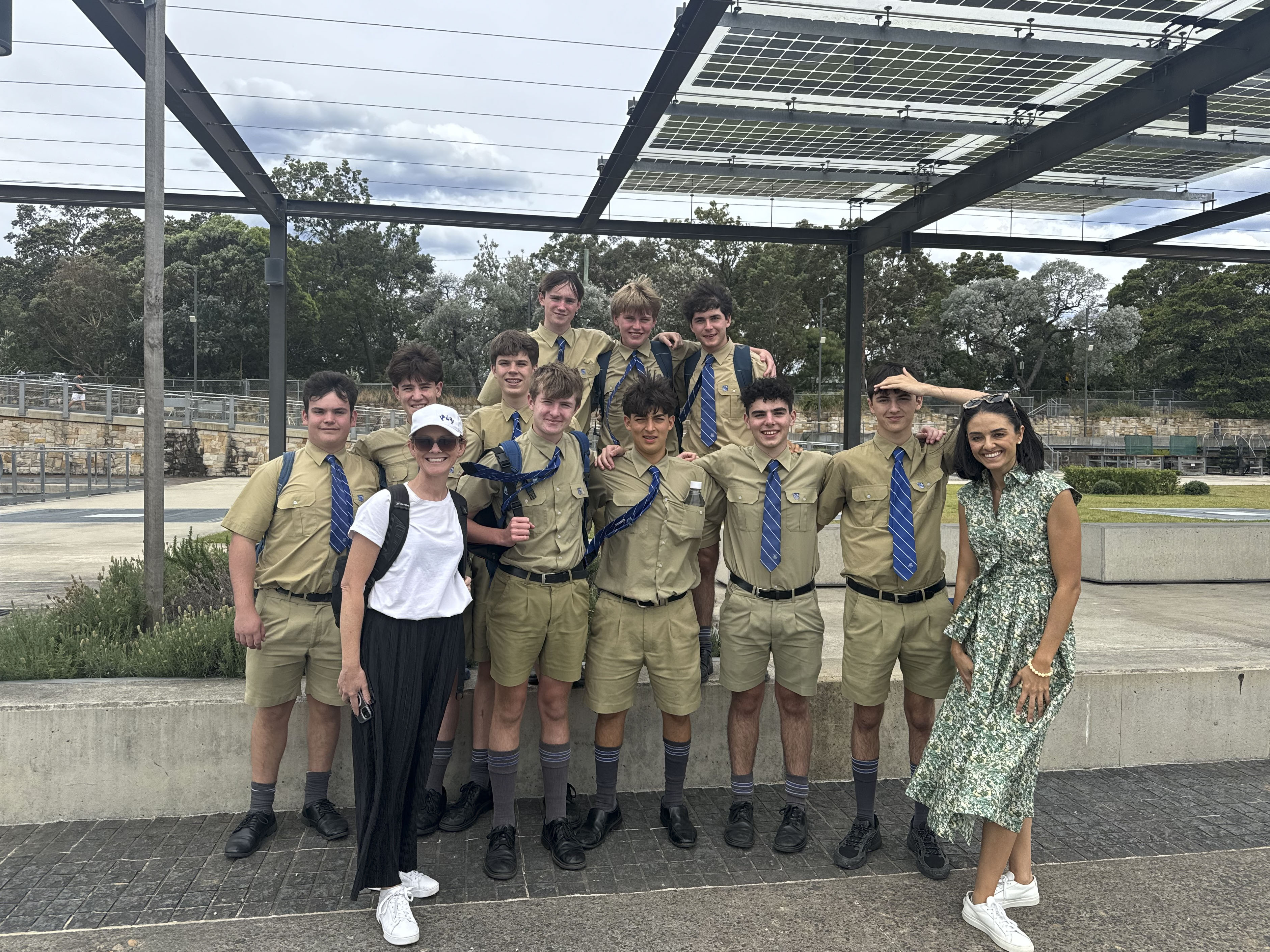
On our last two days of school, a group of Year 10 students participated in the annual Manresa Internship. Students participated in a range of workshops that allowed them to expand their knowledge and skills to become hope-filled change makers.
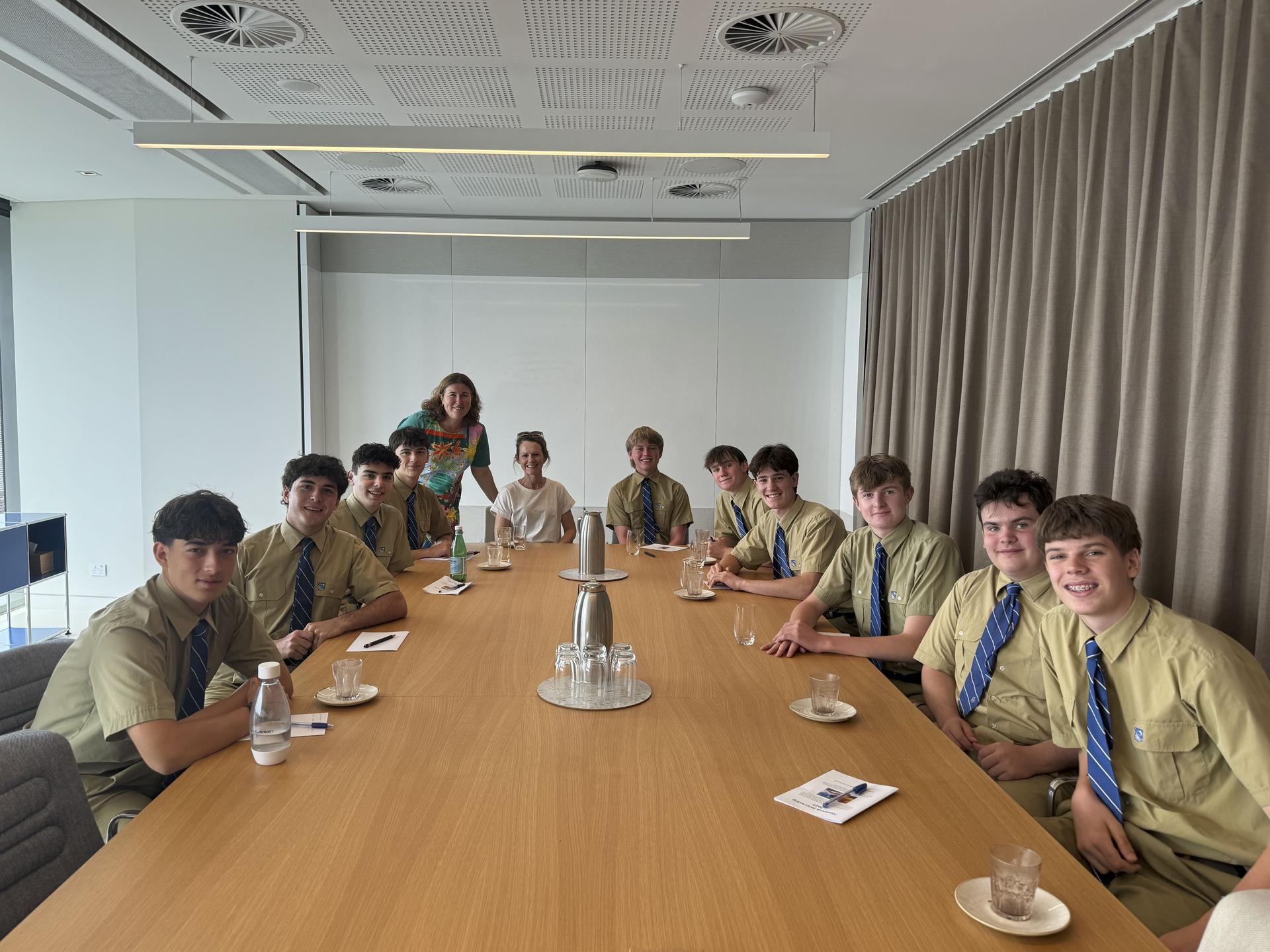
Day 1:
The Internship began at Deloitte where met Rochel Hoffman, Partner in Deloitte Australia’s ESG M&A practice. Students heard about Rochel's experience in working with clients to embed ESG across the lifecycle of various deals. Rochel provided students with case study examples from various industries including energy, transport and retail, informing students of the various work she had dealt with and the connection between financial implications and ESG topics from both buy and sell side engagements.
She informed them of what M&A is and the advice she gives clients within her role such as understanding the risk that could impact the value of any business as it evolves.. Rochel also informed the students that climate change is only one topic within ESG and sustainability and expanded their knowledge on other lenses to consider such as natural capital, social implications and governance.
In the afternoon, students caught the train to the Coal Loader in Waverton and were met by Sue Martin, chair of the Australian Jesuit Schools Committee and Ecology Project Officer at the Australian Province of the Society of Jesus. Sue guided our students around the Coal Loader, informing them of the history and transformation of the site. The site operated as a major harbour-side coal transfer and bunkering facility from the 1920s until 1992. In 1997 the area became a dedicated public space now known as a Centre for Sustainability. Finally, Katrina from Jesuit Mission also met us on site and took students through various projects that have had considerable impact on disadvantaged communities around the world. This includes projects that focus on supporting people with access to water, sanitation and hygiene facilities across India, Timor-Leste and Cambodia.
Day 2:
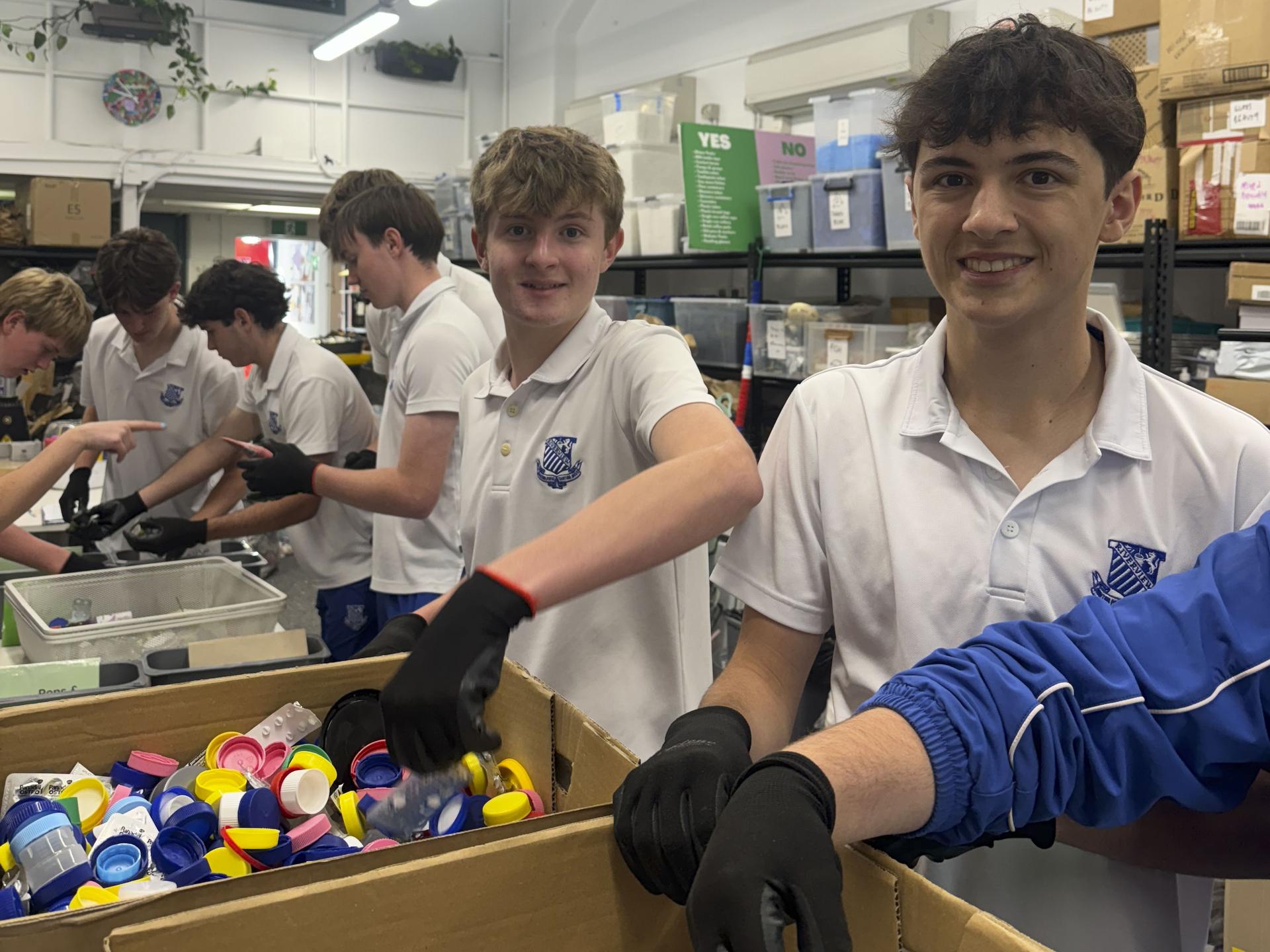
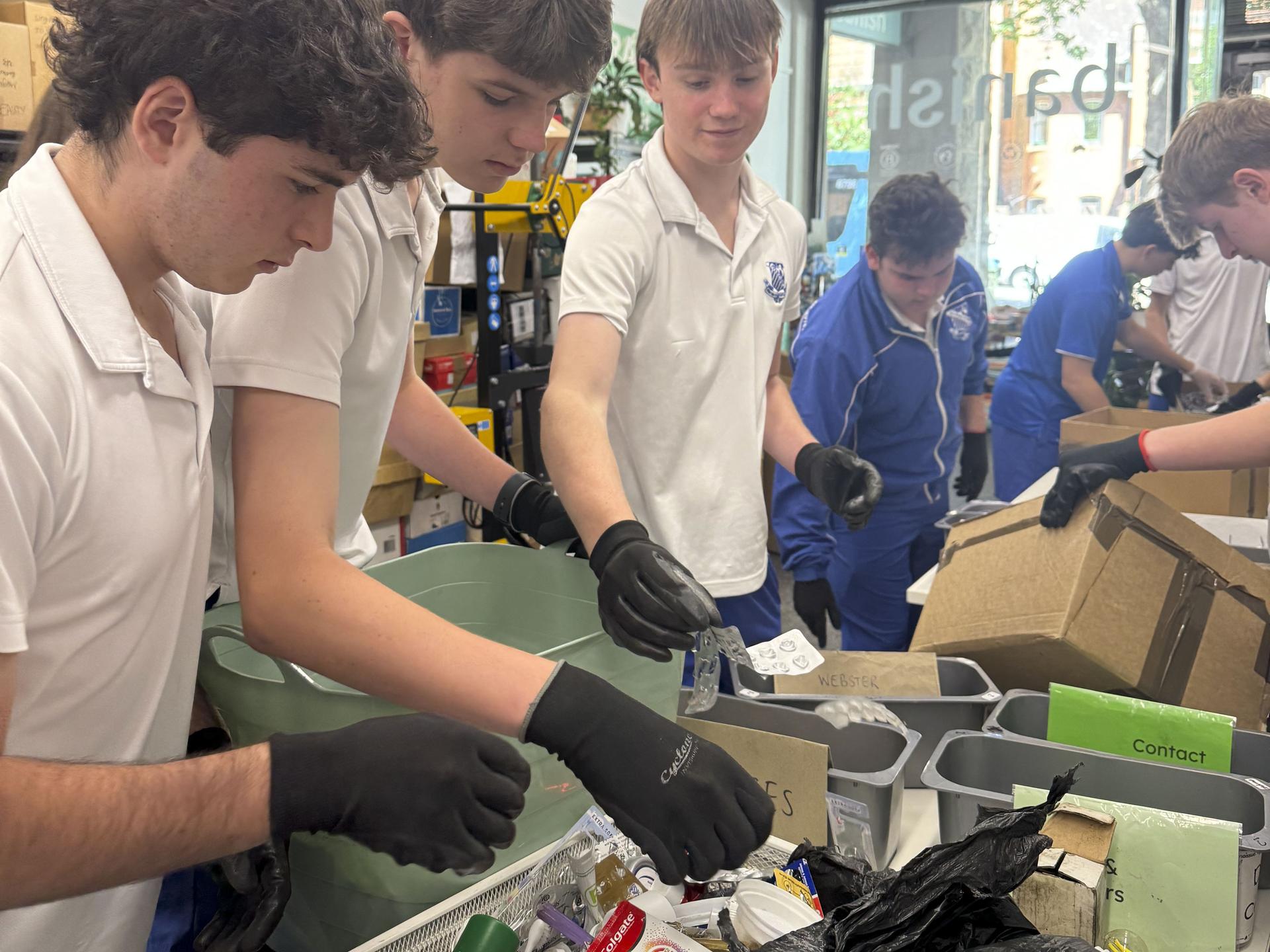
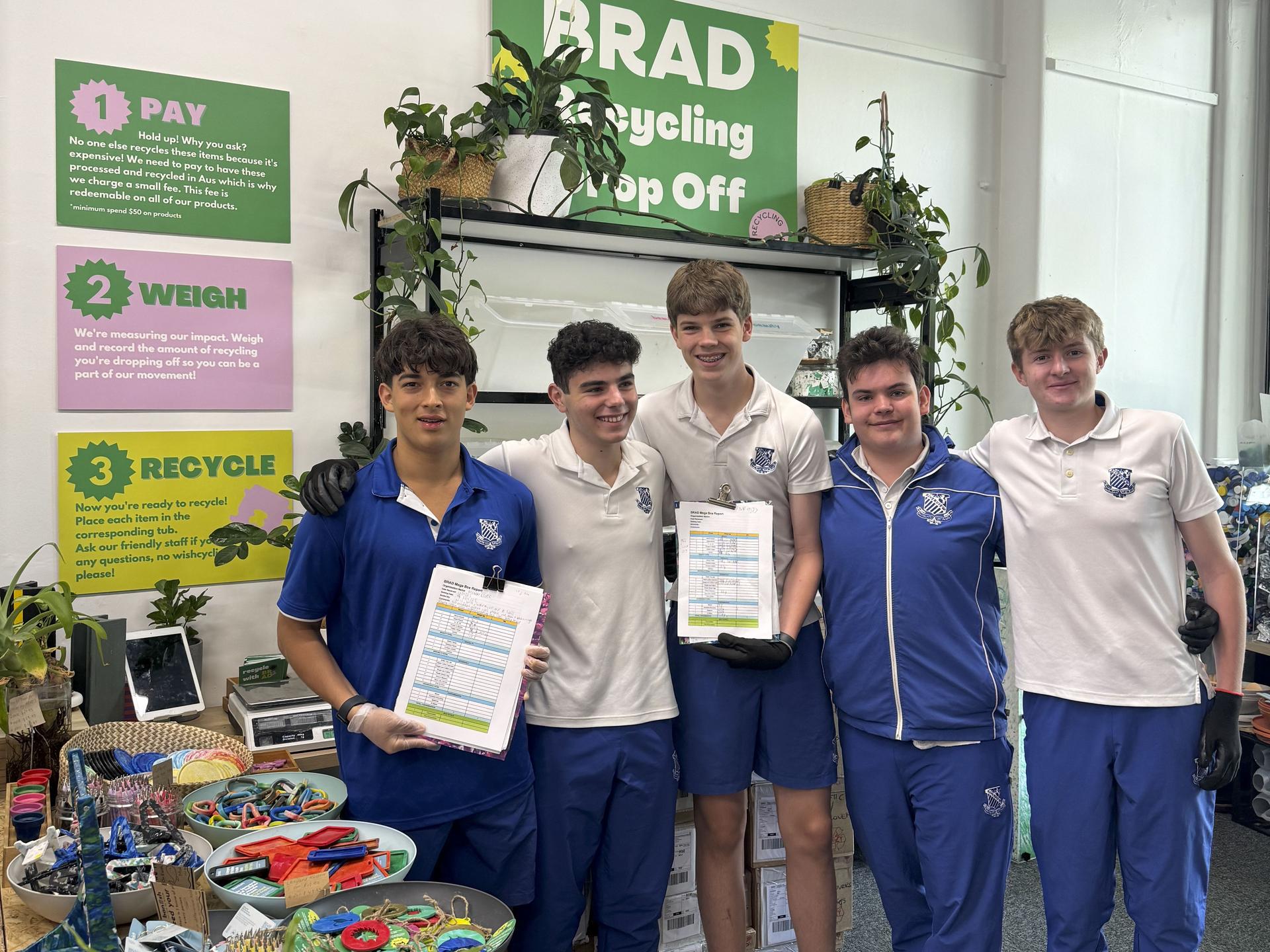
On Day 2, students began the day at Banish in Haymarket. They met with Lottie Dalziel, founder of Banish and worked alongside her team who took our students through the BRAD Program. The purpose of the program is to collect hard-to-recycle household items such as bottle top lids, beauty products and blister packs and give them a second life by producing secondary products. Students worked on sorting through these household items and even produced their own recycled plastic carabiner out of bottle top lids.
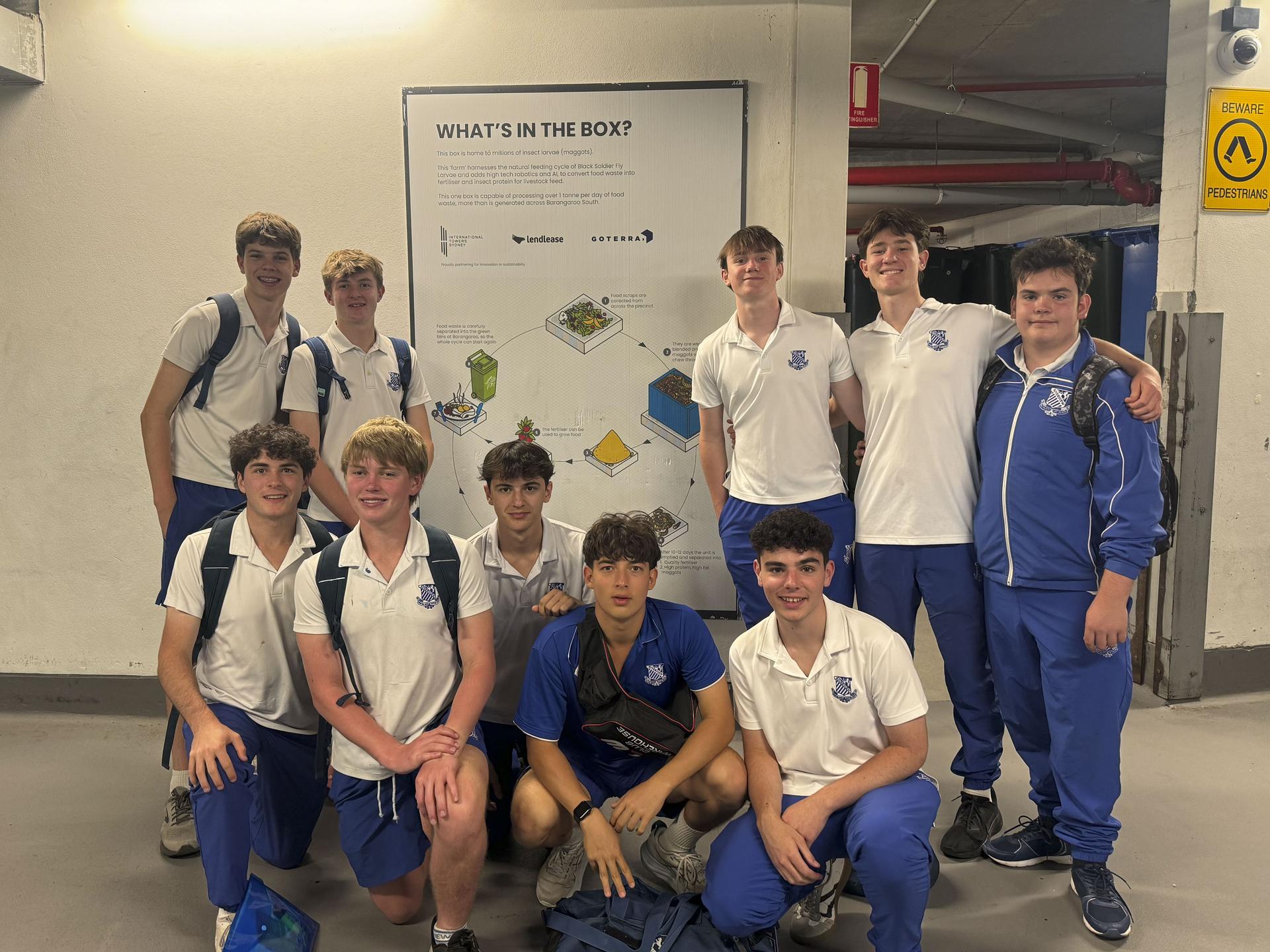
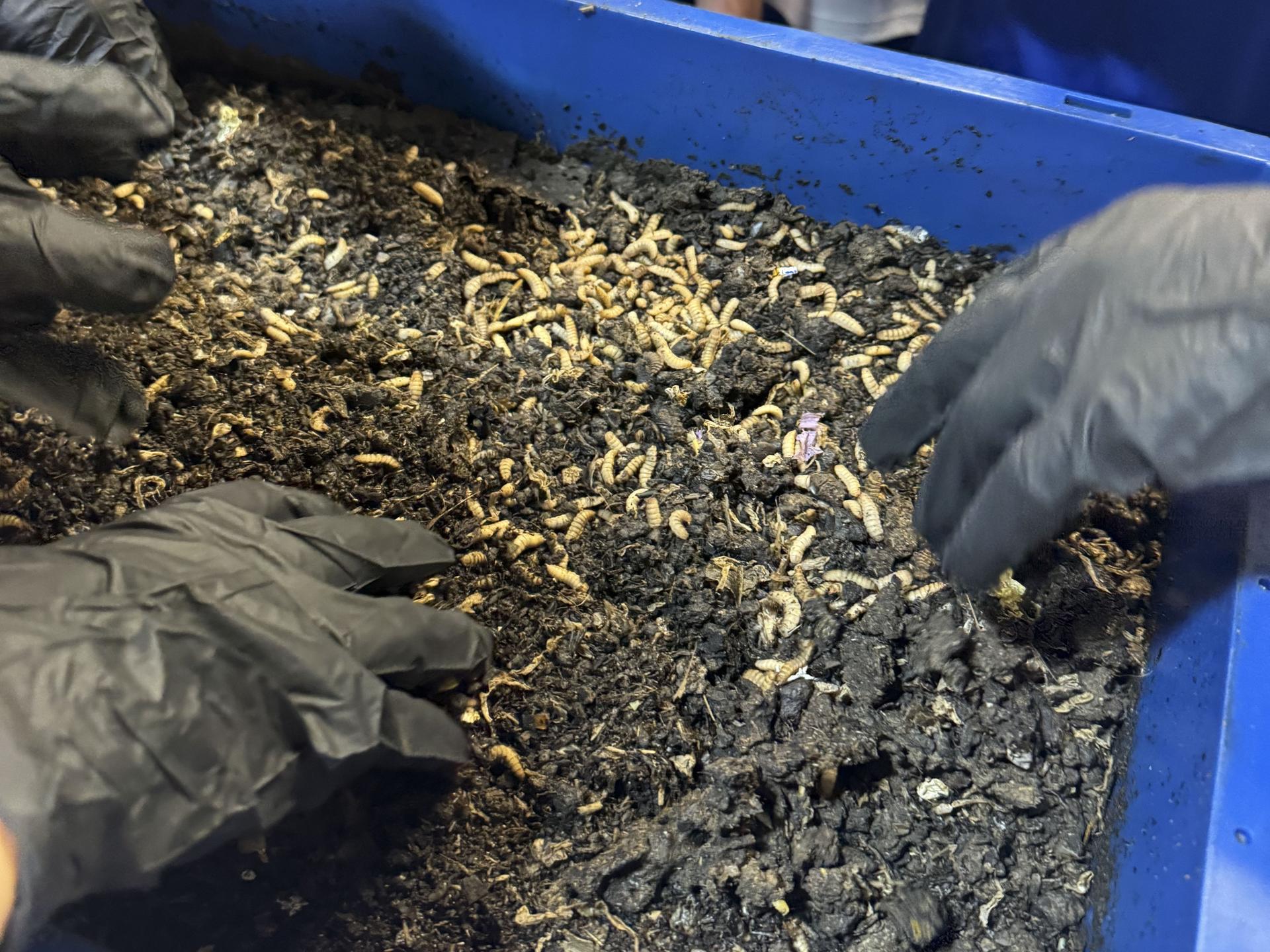
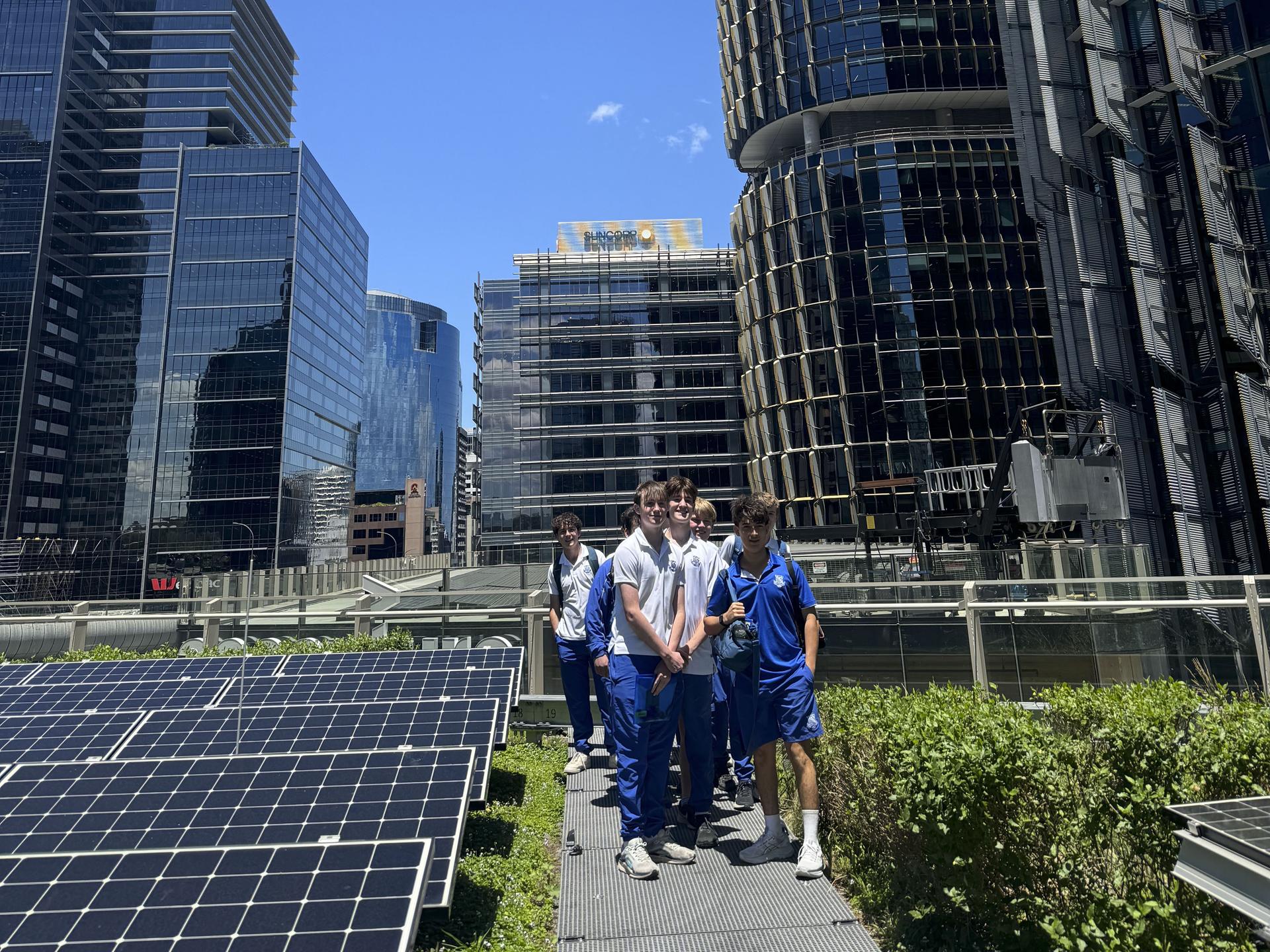
In the afternoon, students made their way to Barangaroo. It is here that they had the opportunity to walk through Daramu House within the Barangaroo’s International House led by Lendlease. Students saw first hand the seven story building which is constructed by recycled timber. They also walked on the bio solar green roof, Australia’s first rooftop garden which features solar panels. This rooftop has not only supported native insects and birds, but also seen a significant reduction in the temperature of the building by up to 20°C in summer. After this, students explored the Goterra Unit in the basement of the Barangaroo Towers. Lendlease uses Goterra to manage high volume commercial and retail food waste at Barangaroo. Students heard how the food scraps are collected from across the precinct and are then fed to the maggots in trays. The maggots chew on the scraps and after 12 days the waste is separated. The waste becomes quality fertiliser for farming while the maggots are used as animal feed for chickens. One tray of maggots is capable of processing over 1 tonne of food waste per day. This showed the students how waste could be processed locally and also demonstrated the concept of circular economy within this project.
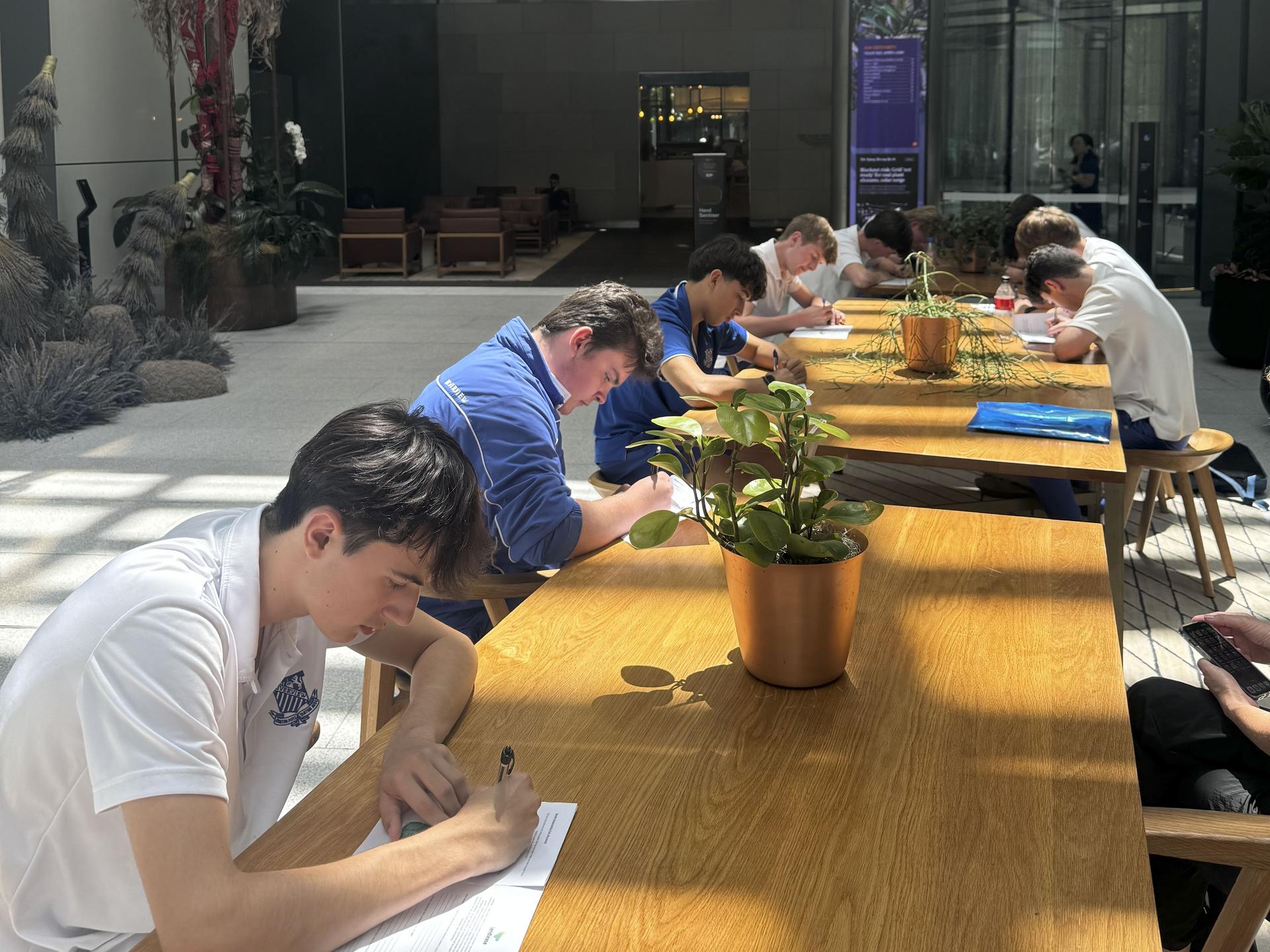
A key part in these days is the journalling that takes place, allowing students the opportunity to reflect on their experiences and see the change in heart and mind and help them see their role in leading this space.
Year 9 Challenge
This year, we have introduced ‘Understanding Sustainability’ to the Yr9 Challenge with our first groups of students going out on Wednesday this week.
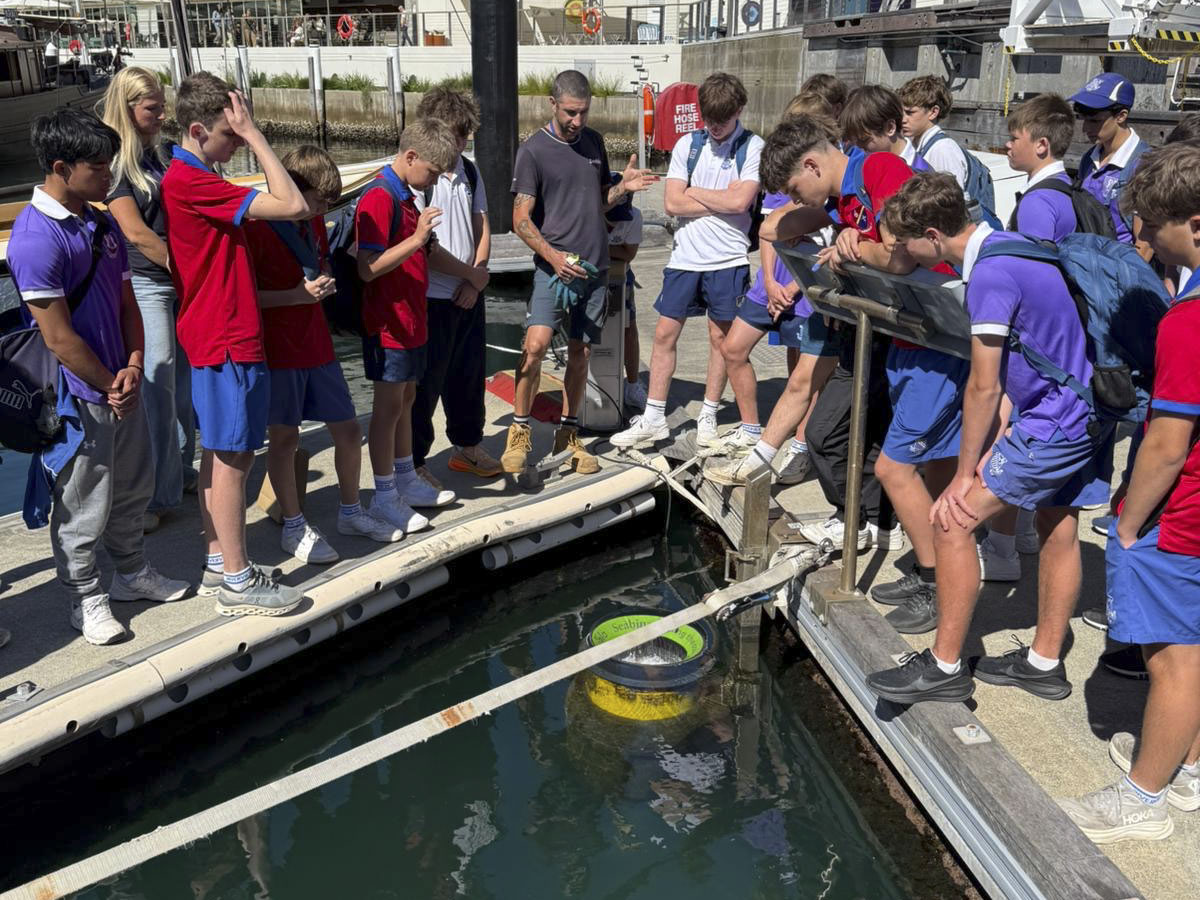
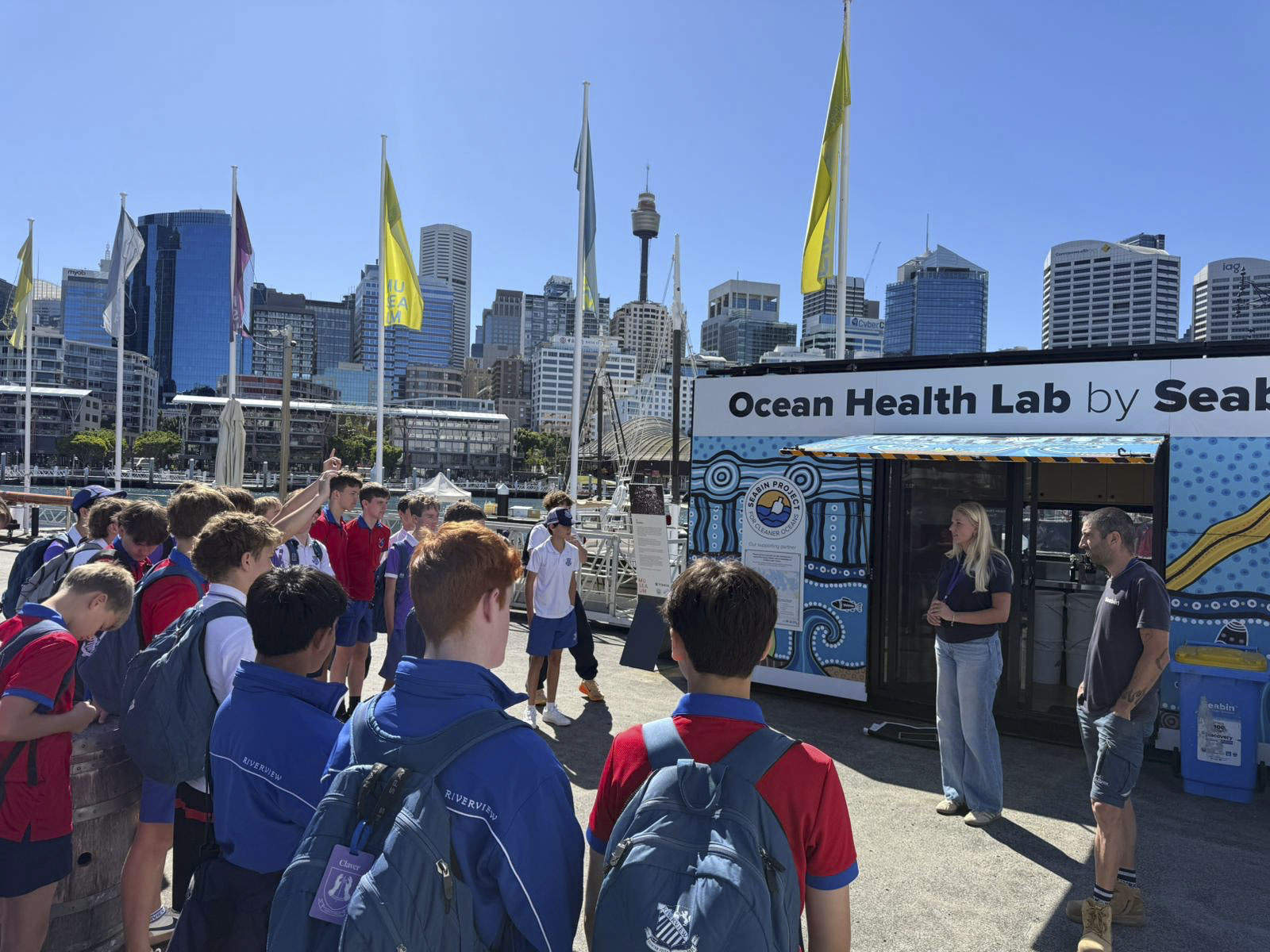
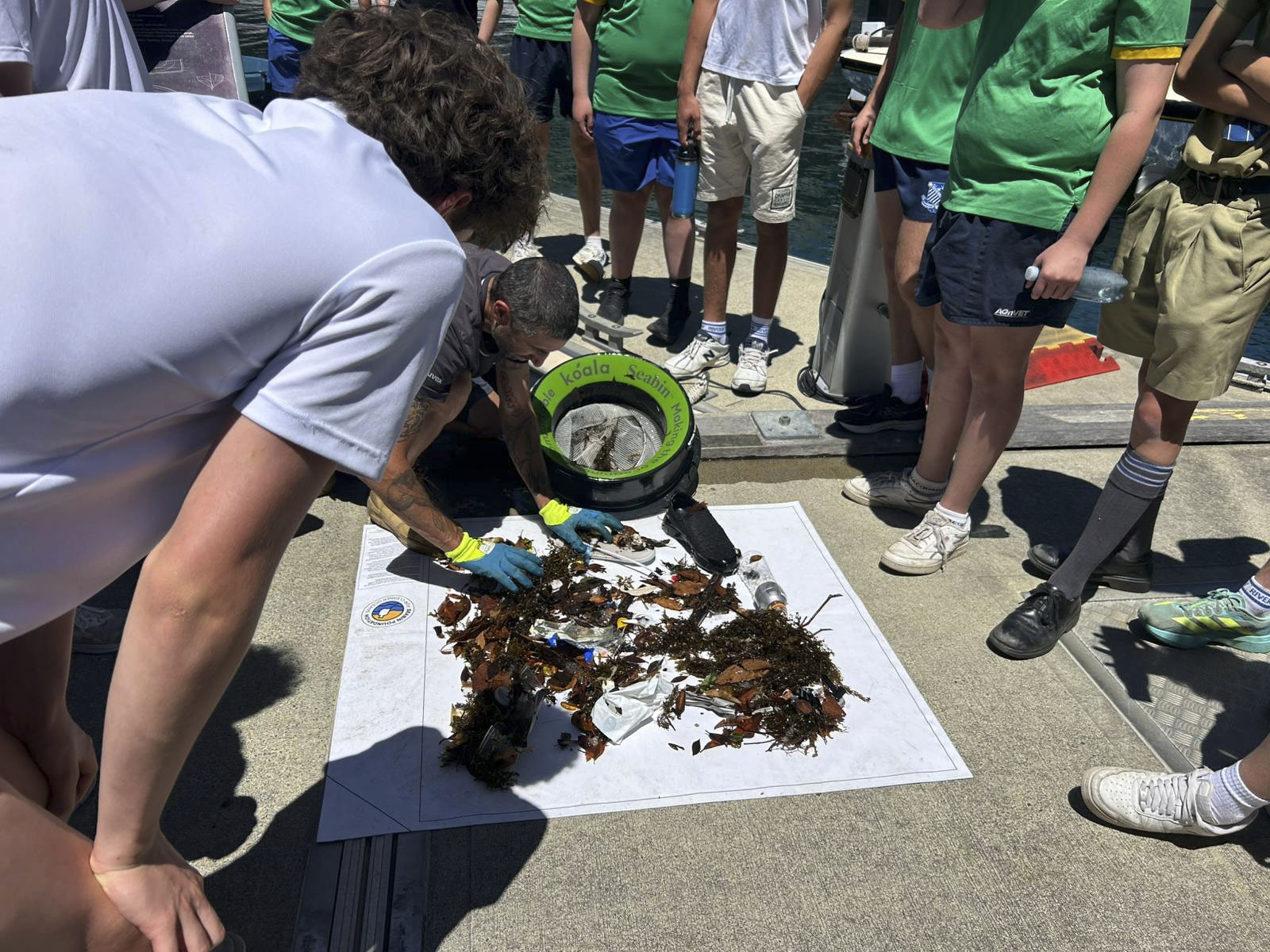
The students spent time working with Seabin at the Maritime Museum participating in an immersive STEM workshop designed to build real-world awareness around the issue of plastic pollution in our waterways. They began by understanding the nature and origin of the concept and observing how the Seabin operates in Sydney Harbour. Students then moved into the laboratory, where they worked with the daily catch of waste collected from the Seabin at Darling Harbour. They sieved, dried and analysed the waste, identifying both microplastics and microplastics. Using scientific methodology, students classified waste into up to fifty-five different plastic categories. This data contributes to the Seabin Foundation’s Pollution Index, which helps identify trends in plastic pollution across the twenty sea bins currently operating around Sydney Harbour. Finally, students also explored advocacy work, including awareness campaigns on microplastic shedding from astro turf, gaining insight into how everyday materials contribute to pollution.
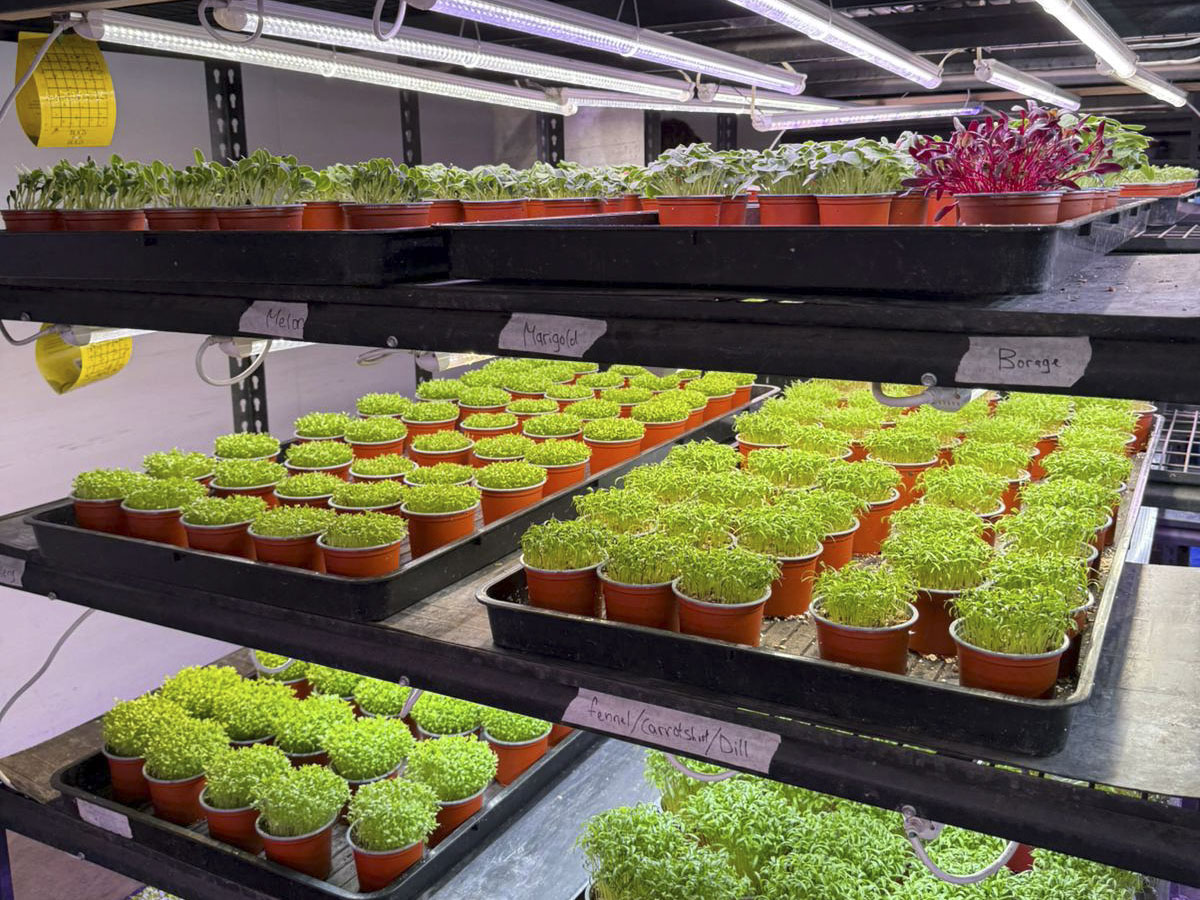
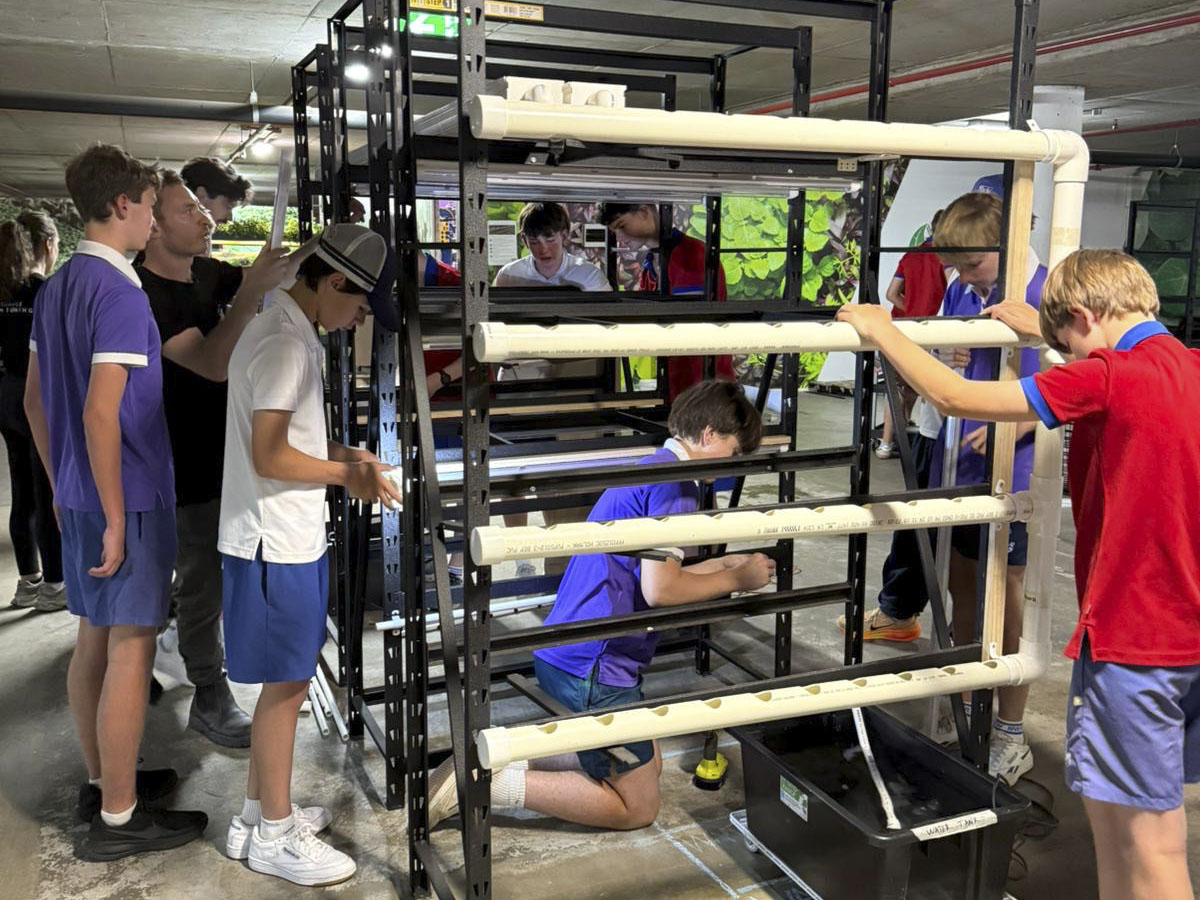
In addition, students also participated in a workshop at the vertical microfarm of Urban Green in Barangaroo. This example of urban farming showed our students how crops are grown locally in controlled environments. They saw first hand how hydroponic growing systems operate, and how different parts of the light spectrum and controlled watering systems affect plant growth. Students tasted a range of microgreens and were given opportunities to participate in farm operations, including preparing nutrient solutions, managing watering systems and recycling growing materials. To deepen their understanding, students then collaborated to design and build small-scale hydroponic systems using simple. Building and testing their own hydroponic system allowed them to see firsthand how technology and science combine to create sustainable solutions that are practical and achievable.
The day allowed students to become involved in hands-on experiences that taught them about sustainability in various ways, whilst also allowing them the opportunity to see themselves as active contributors to solving environmental problems.