



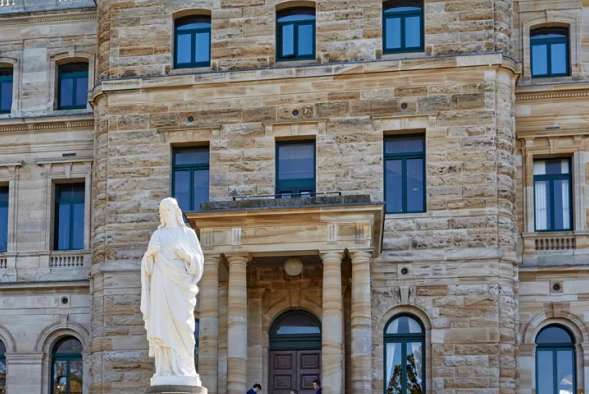

Grounded in over a century of rich heritage and purpose
For 146 years, Riverview has grown in faith, learning and service, shaping young men who contribute with compassion and conviction.
Our History
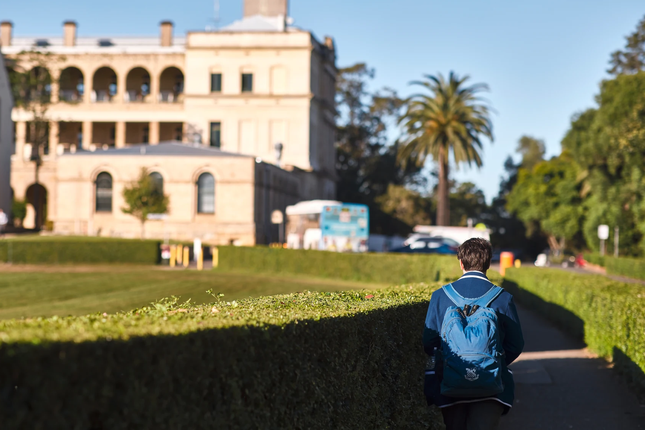
Since its foundation in 1880, Saint Ignatius’ College Riverview has been under the care of the Society of Jesus.
While the founder of the school in the real sense was Father Joseph Dalton SJ, the school does have two other founders: Archbishop Roger Bede Vaughan, who invited the Jesuits to Sydney on condition that they found a boys’ boarding school, and Father John Joseph Therry SJ, who, on his death in 1864, left the greater part of his property to the Society of Jesus.
After Archbishop Vaughan asked the Jesuits to open a day school in Sydney (St Kilda House, later to become St Aloysius’ College) and a boarding college on the North Shore. Father Joseph Dalton purchased the Riverview Estate on behalf of the Society of Jesus on 28 June 1878, and 18 months later, he became the Foundation Rector of Saint Ignatius’ College.
An advertisement was placed in the Catholic newspaper, The Express, stating that boys aged between eight and 12 would be received at Riverview “as soon as possible after the Christmas holidays”. Classes commenced in the cottage in February 1880.
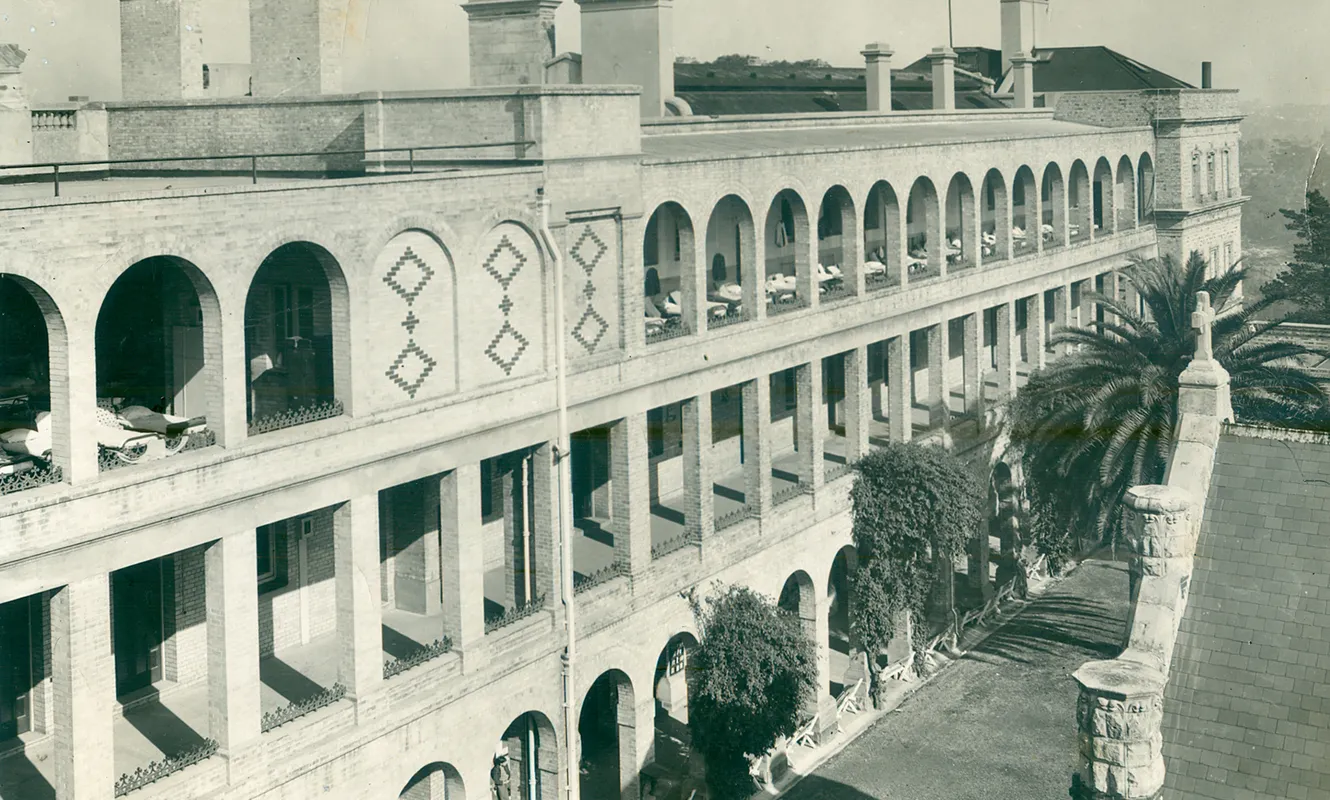
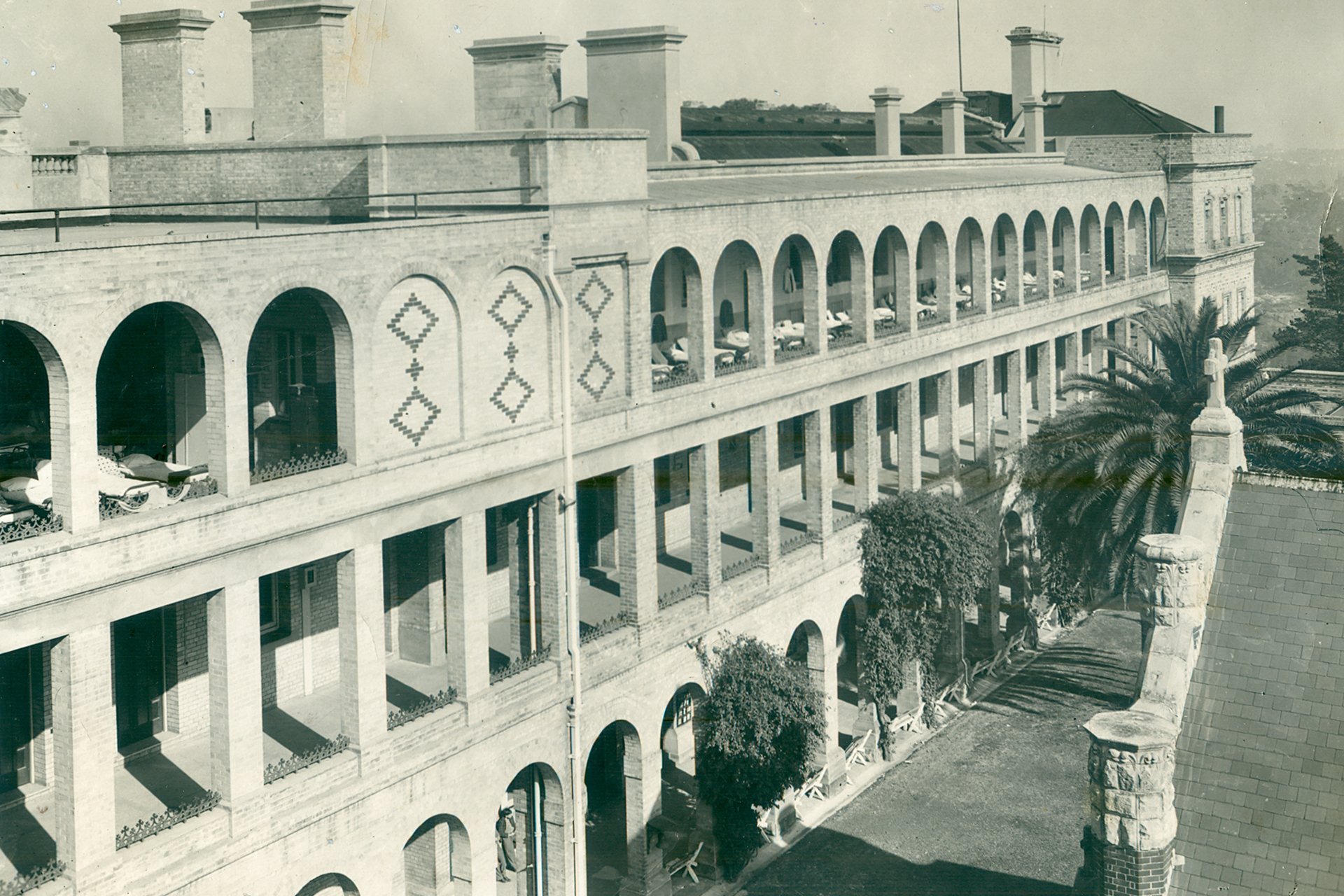
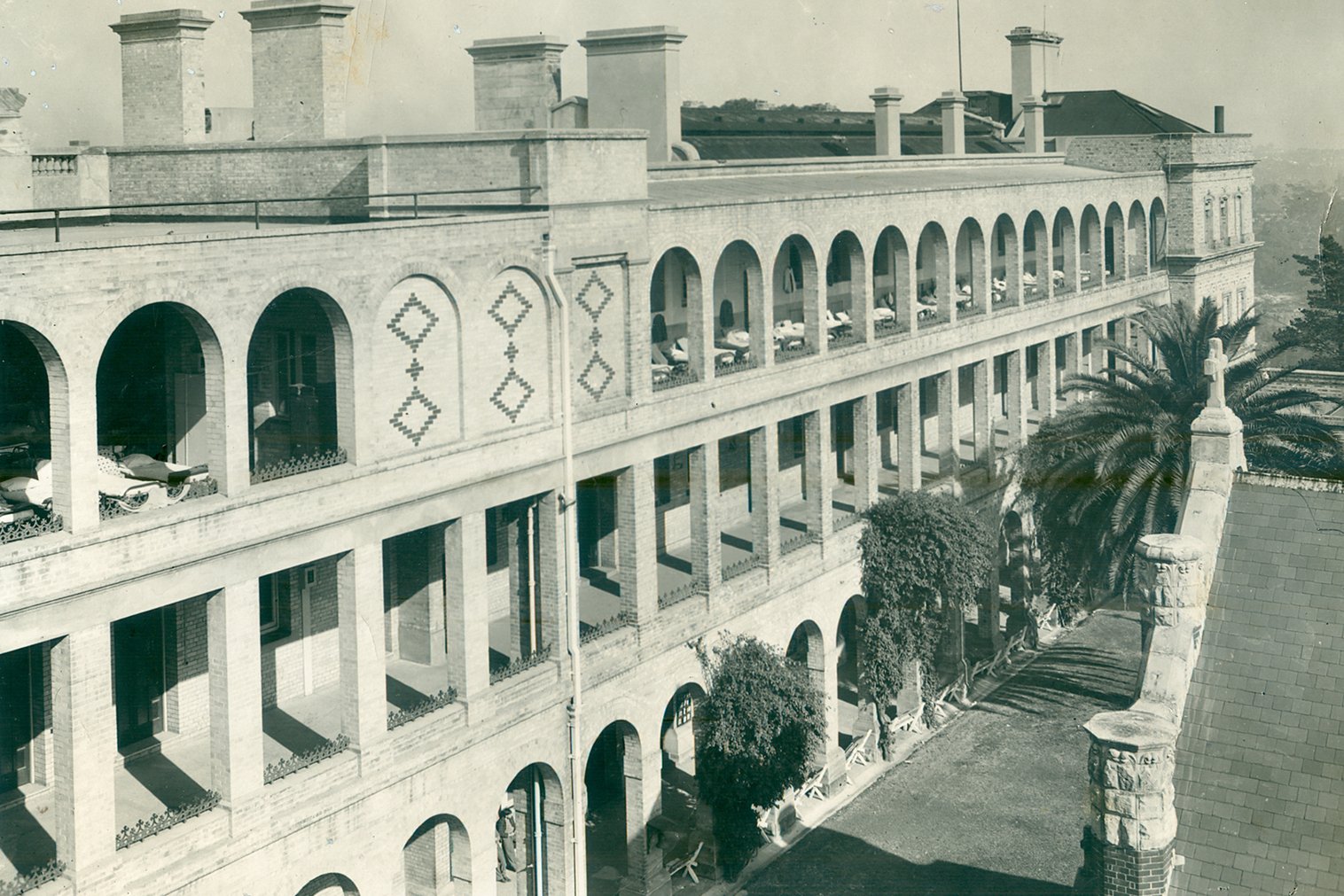
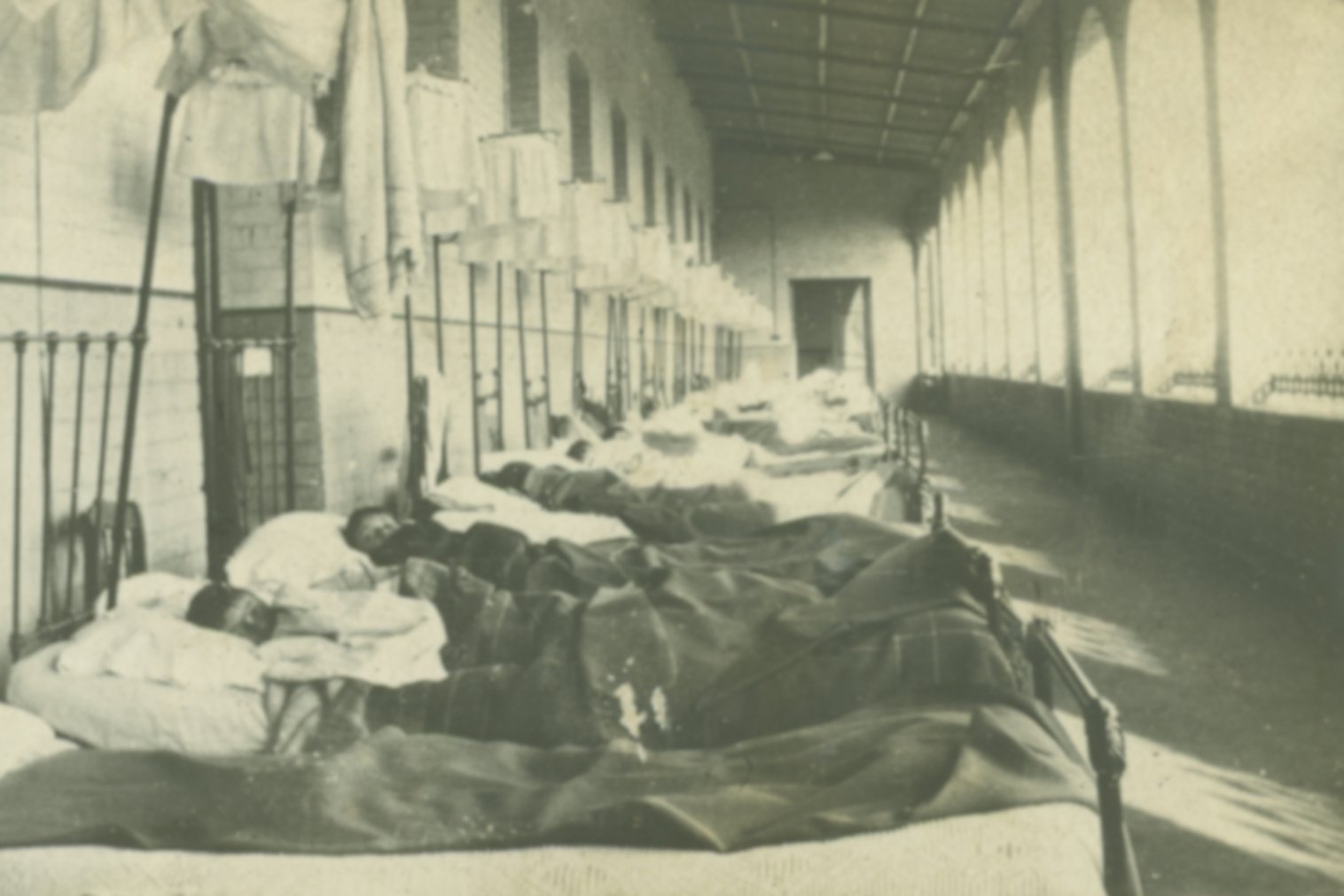
The cottage soon became very cramped as more boys arrived, so in order to provide better accommodation, St Michael’s House was built. Designed by William Wardell, the building was opened on the feast of Saint Michael, 29 September 1880. Further building took place at the College in 1882 with the construction of a wooden boatshed, and in 1883 the infirmary was built.
In its early years, the College offered Classical and Modern Languages, History, Mathematics, the Natural Sciences and all other branches required for the Civil Service, the Junior, Senior and Matriculation Examinations. It was advertised that the curriculum included a modern side: mercantile subjects.
By December 1882, with an enrolment of only 70 students, the College extended the curriculum to include English Composition, Writing, Music, Singing, Drawing, Painting, Irish History and Oral Latin.
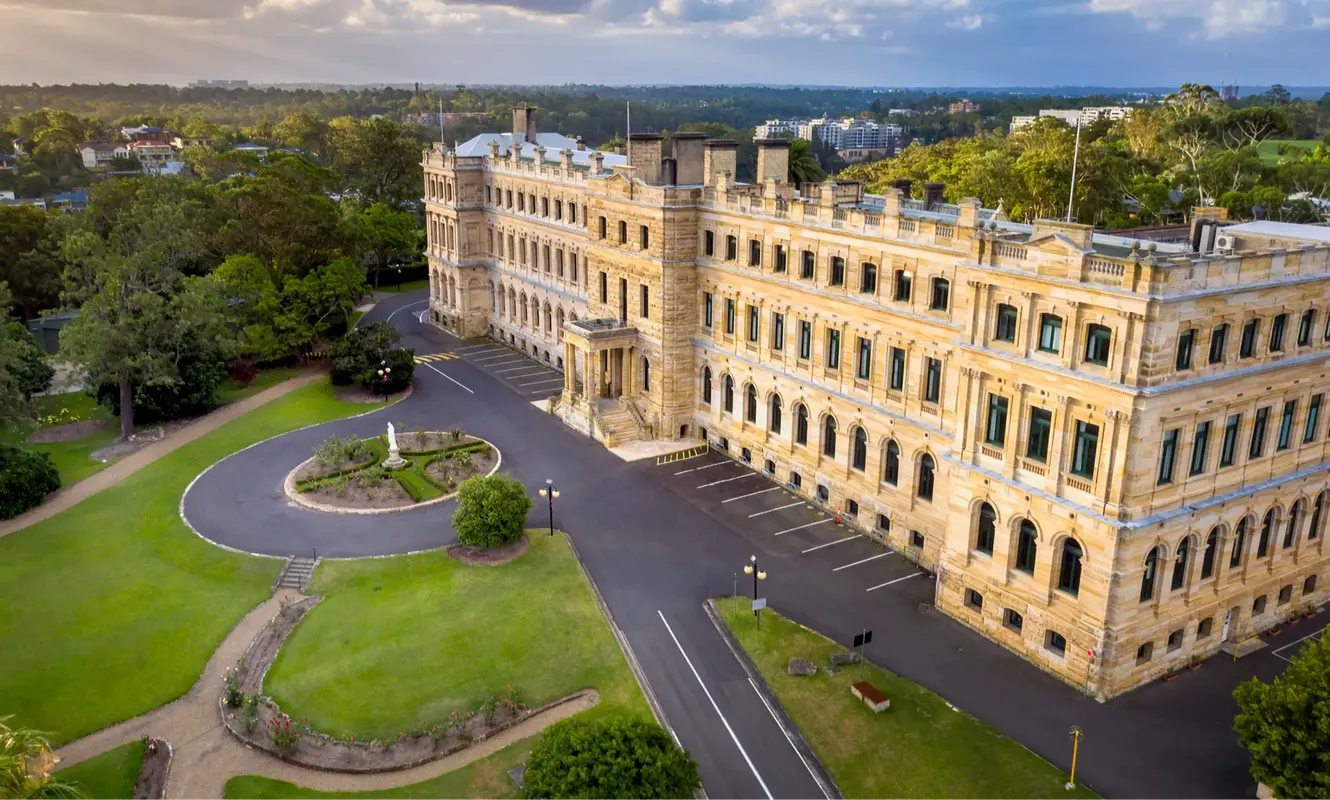
The main building of the College was constructed in three stages between 1885–1930, with the foundation stone laid by Cardinal Moran Archbishop of Sydney on 15 December 1885. As originally designed by the architectural firm of Gilbert, Dennihey and Tappin, of Ballarat, the building was to be a huge square, representing four identical fronts, but only the South front was completed according to plan.
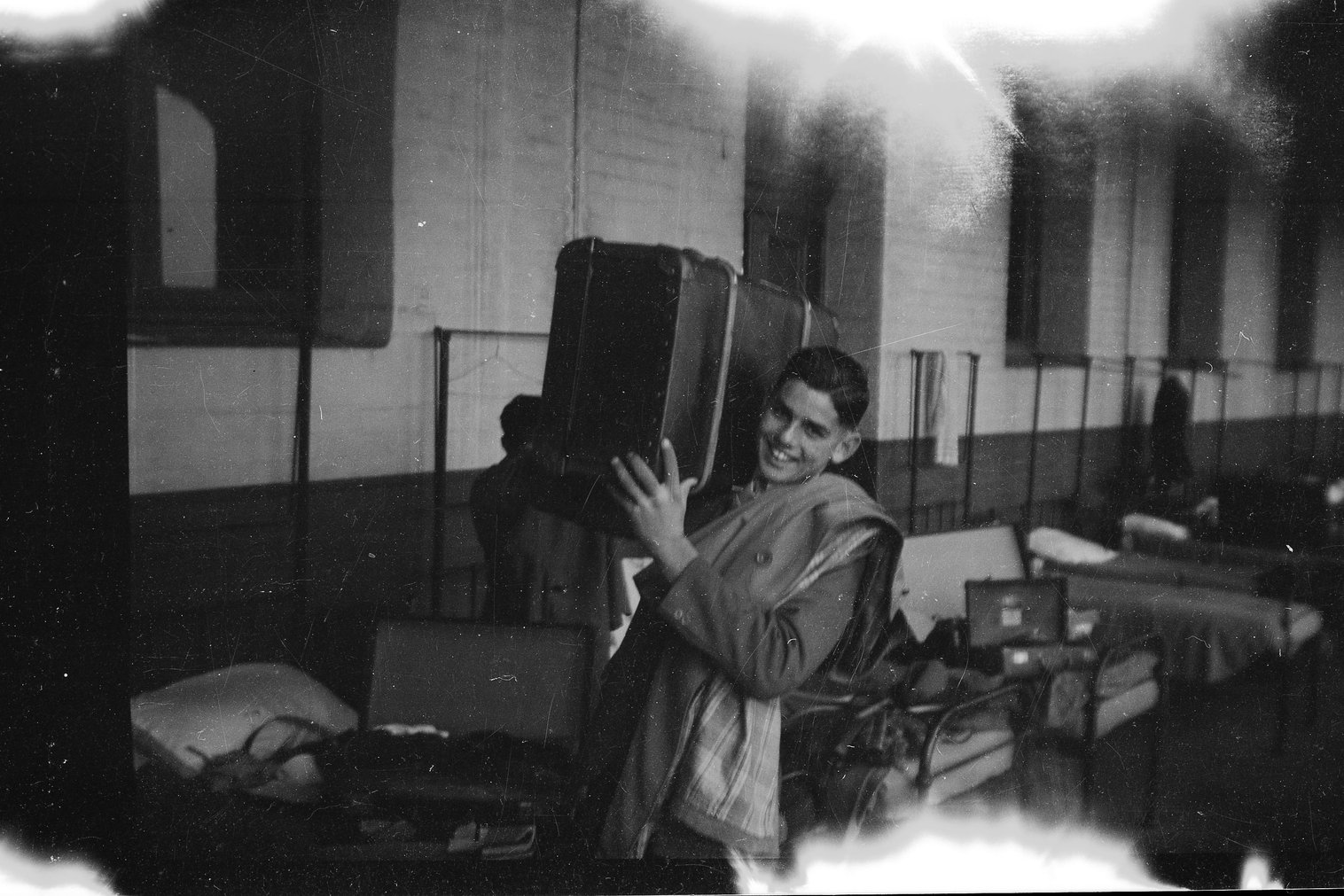
Although the first day boys were not officially admitted until 1923, a small group of pupils were permitted to attend the College as day boys. In fact, up until the 1960s, day boys remained relatively small in number and Riverview was mainly for boarders.
Our crest and College uniform
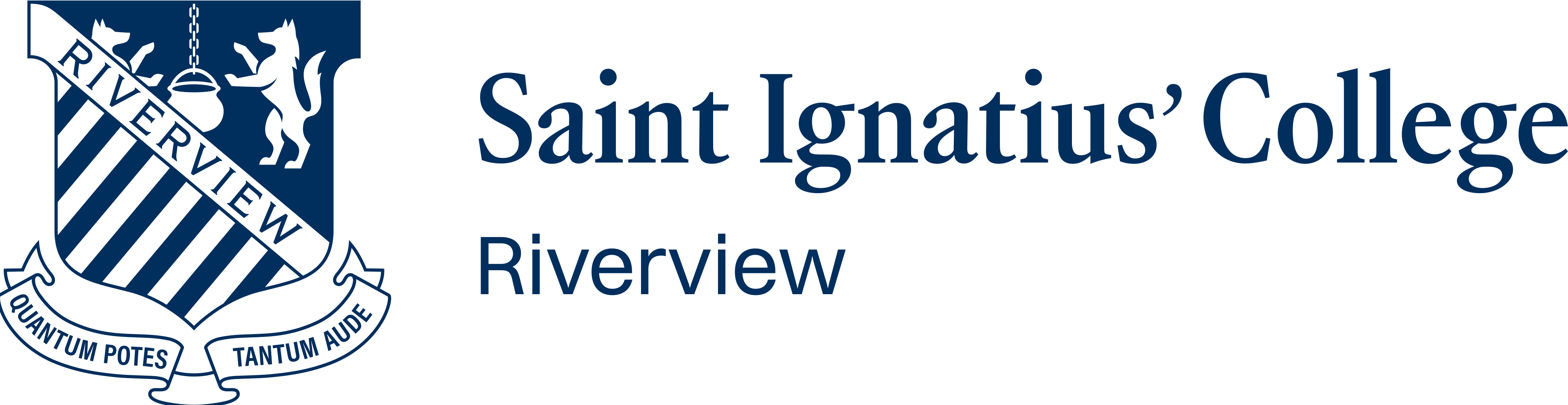
The crest
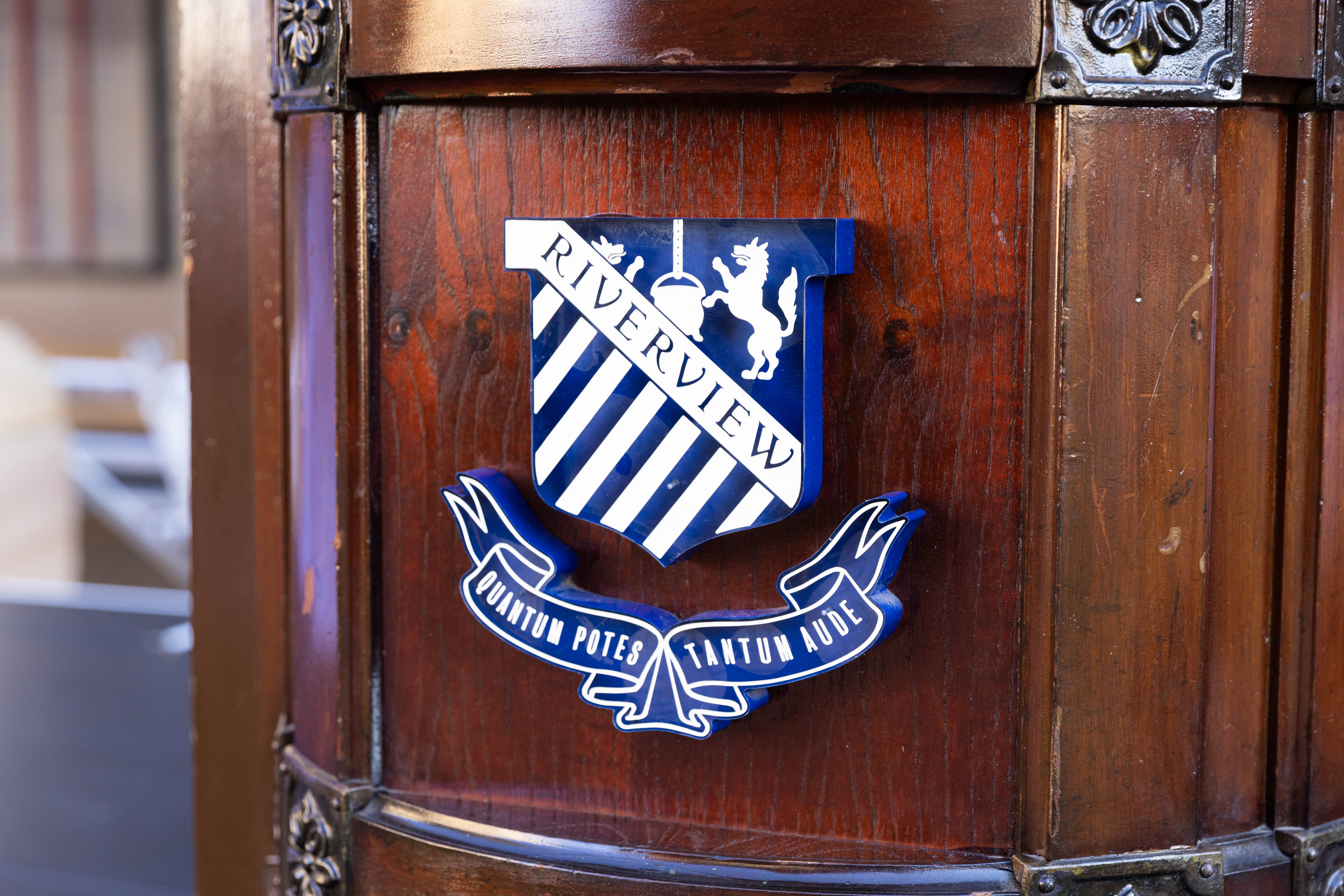
The College began in 1880 without a motto, badge or uniform. It wasn’t until 1906 when then Headmaster, Father Thomas Gartlan SJ, decided that the school should have a badge and a motto, that Riverview began to express its meaning in symbols.
The Loyola and Onaz families
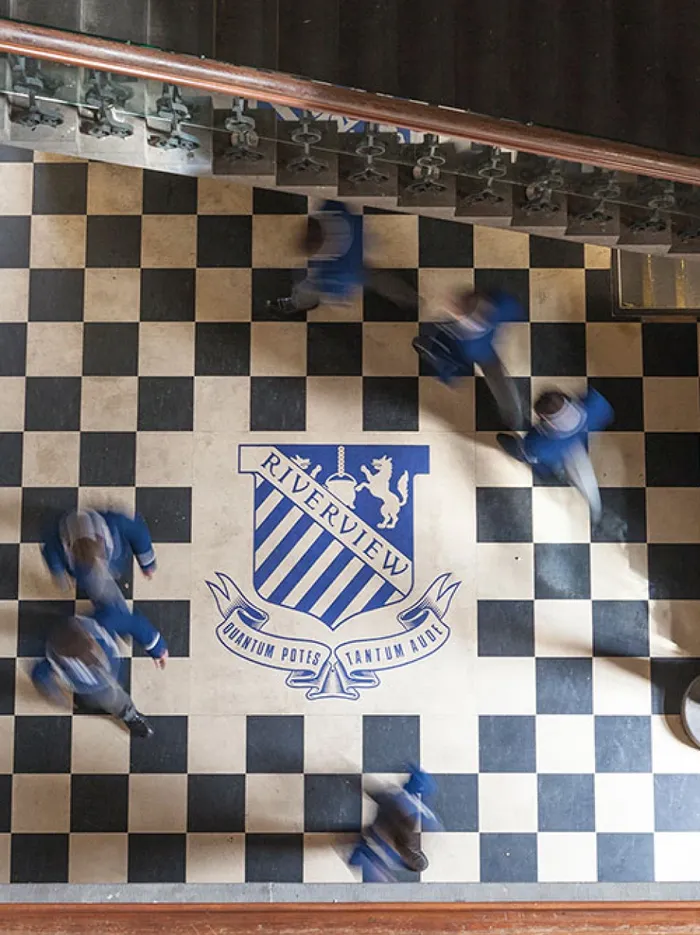
The badge is made up of two coats of arms, representing the two sides of the family of St Ignatius: the Loyola and Onaz families. The Loyola family was prosperous, powerful, and owned a property by the Urola River. The Onaz family owned a farm about a mile from Loyola, and the two families intermarried sometime during the 13th century. When the Onaz branch died out, the Loyolas inherited their name and property—thus uniting the coats of arms.
The wolves and the pot
The College began in 1880 without a motto, badge or uniform. It wasn’t until 1906 when then Headmaster, Father Thomas Gartlan SJ, decided that the school should have a badge and a motto, that Riverview began to express its meaning in symbols.
The seven bars
The badge is made up of two coats of arms, representing the two sides of the family of St Ignatius: the Loyola and Onaz families. The Loyola family was prosperous, powerful, and owned a property by the Urola River. The Onaz family owned a farm about a mile from Loyola, and the two families intermarried sometime during the 13th century. When the Onaz branch died out, the Loyolas inherited their name and property—thus uniting the coats of arms.
The College motto
Quantum Potes, Tantum Aude
It is the motto underneath the badge that distinguishes one Jesuit college from another. Quantum potes, tantum aude is taken from the 13th century Eucharistic hymn, Lauda Sion Salvatorem, composed by Thomas Aquinas. The motto may be translated to ‘as much as you can do, so much dare to do’. It takes up themes central to Jesuit teaching and stresses the traditions of Riverview and the qualities expected of every student who passes through its doors.
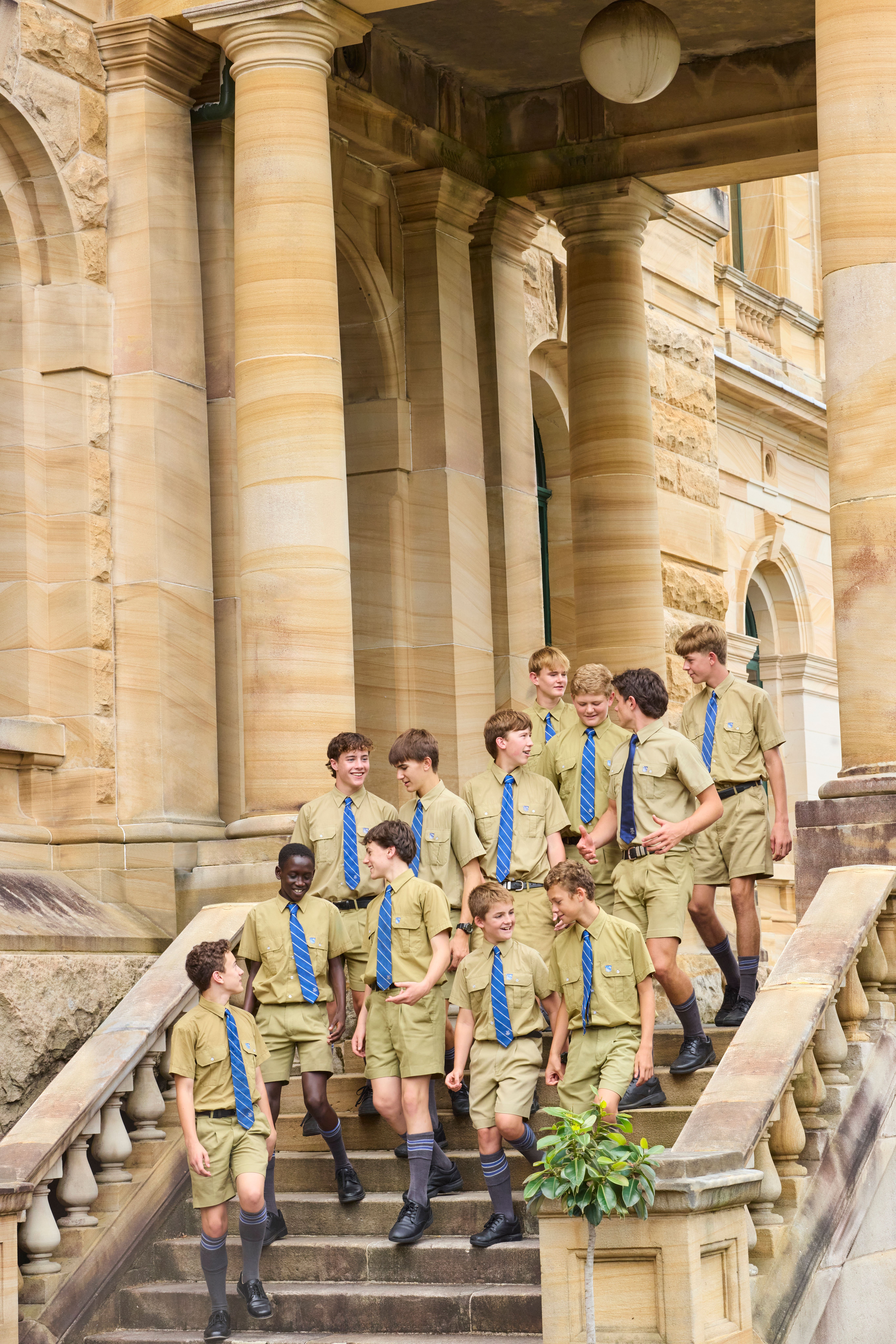
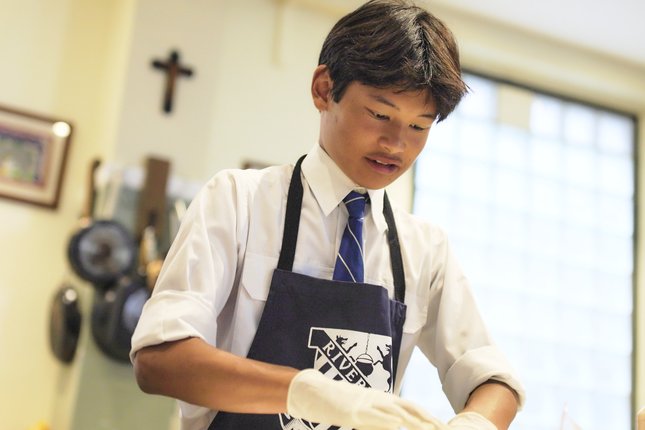
Our iconic College uniform
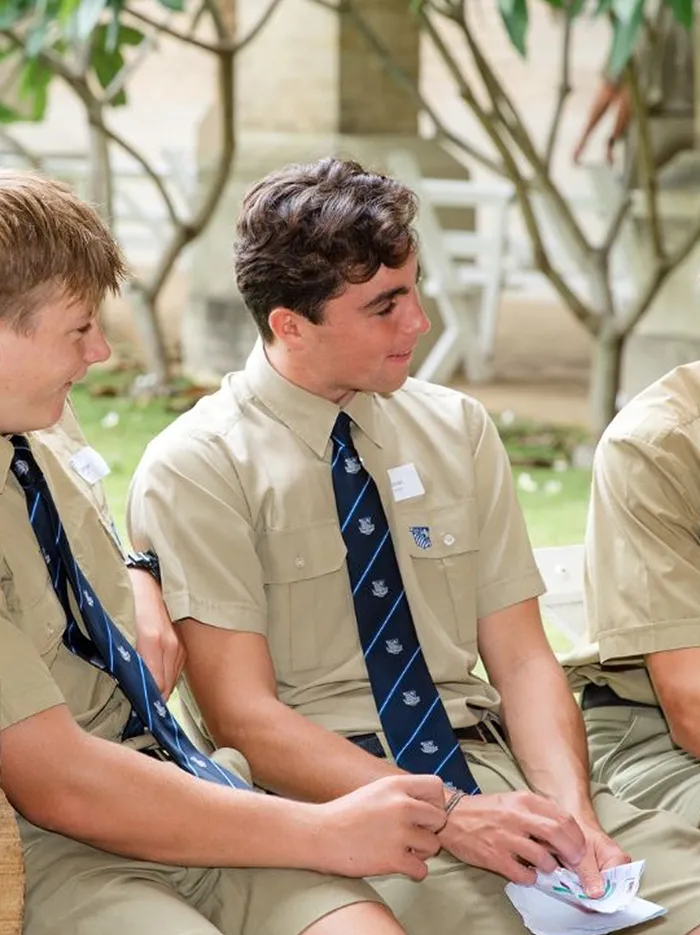
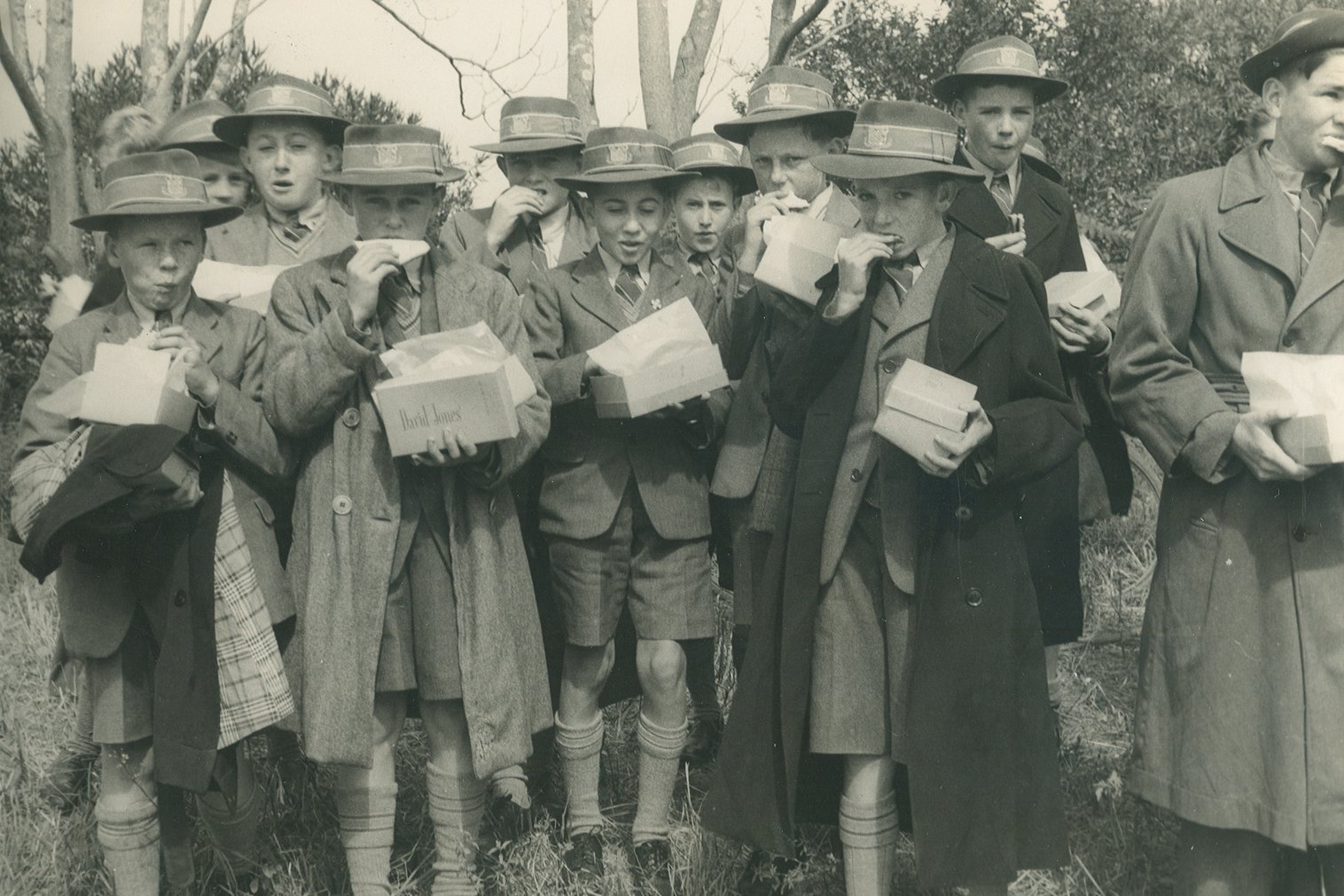
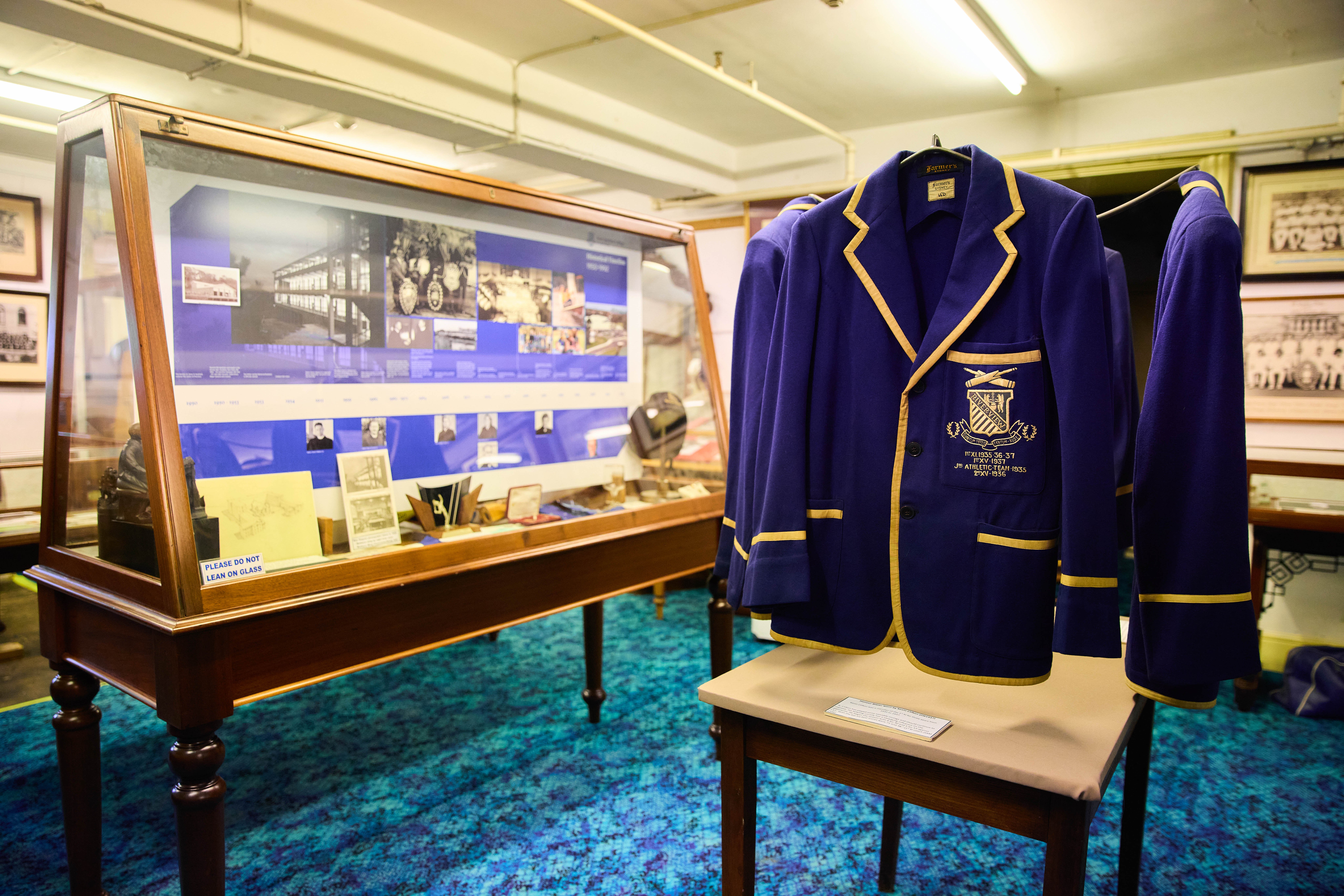
Father John Meagher SJ introduced the uniform in 1937. Prior to that time boys had a ‘best suit’ and play clothes. In the 1890s the wearing of a straw boater with a plain black hatband was optional.
With the adoption of the College arms in 1906, the hatband was decorated with a metal badge. Later, an embroidered badge was worked into the hatband. During the 1920s, ten-gallon hats replaced the straw boater, the hatband simply being transferred to them.
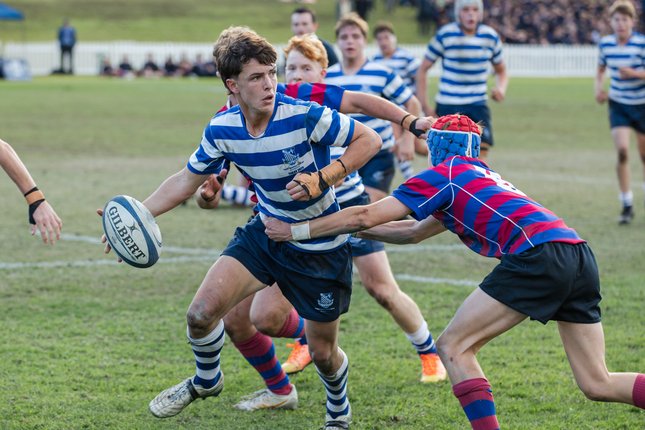
In 1932, as the move towards uniform clothing gathered pace, rules for the wearing of special blazers, sweaters and caps were formulated. It was finally announced that wearing the school uniform would be compulsory from the beginning of 1937 and it was declared that jackets had to be worn in class with collar and tie neatly arranged. The straw boater remained regulation headgear until the 1970s.
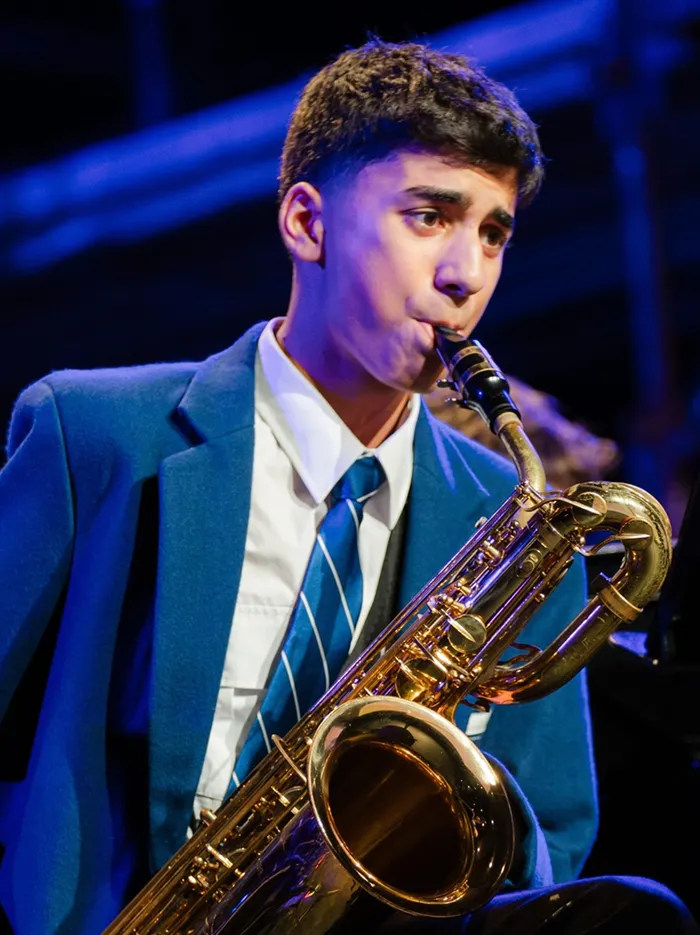
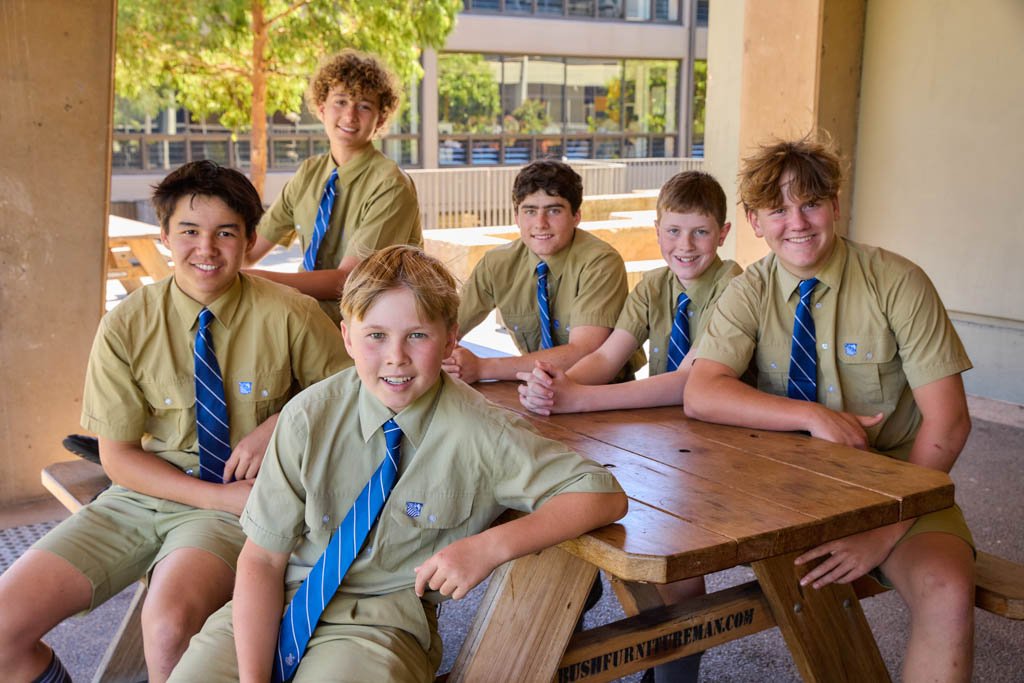
In 2003, the blue blazer was introduced for all students as the grey blazer was gradually discontinued. This was the first major change to the school uniform since its introduction in 1937.
Riverview archives
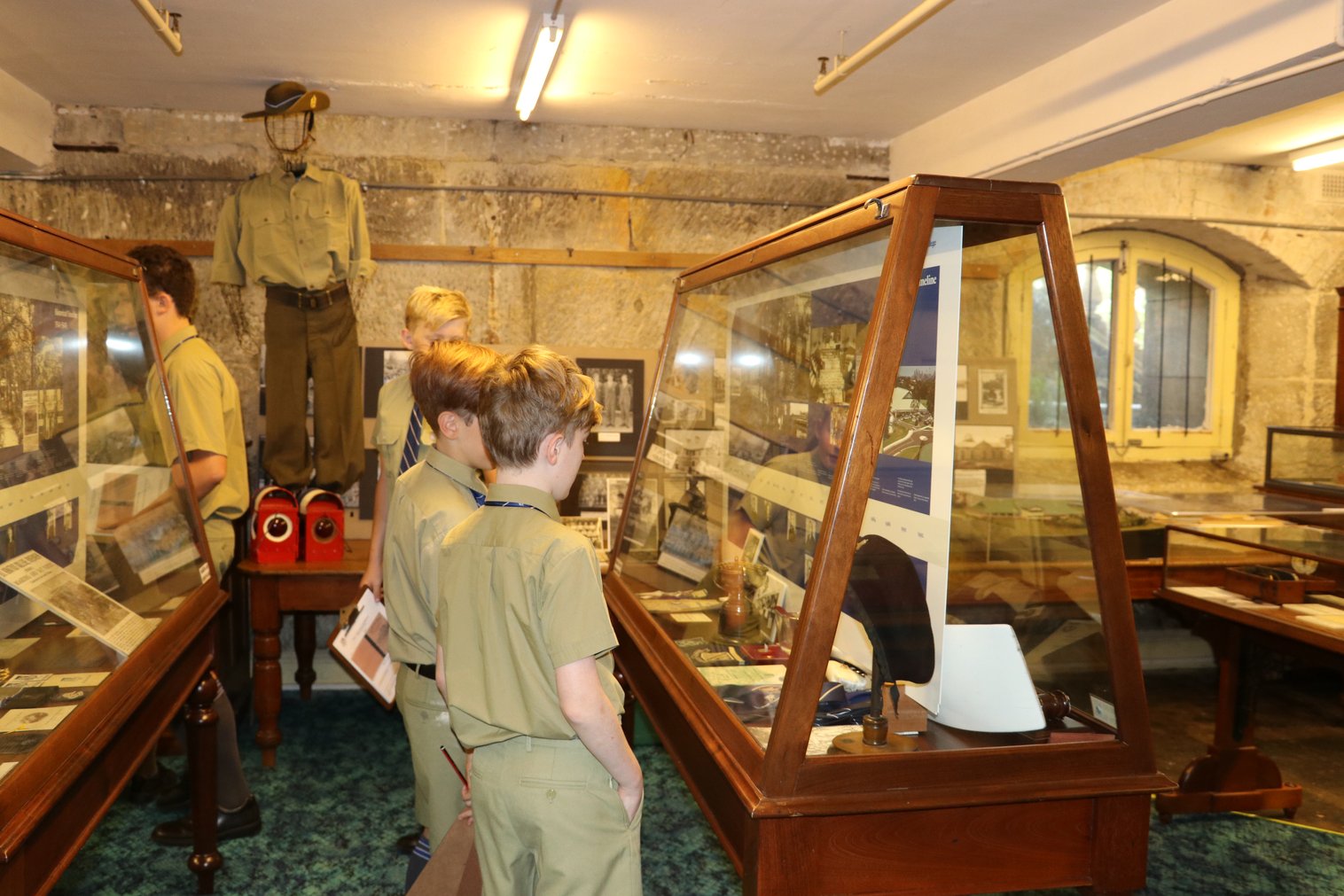
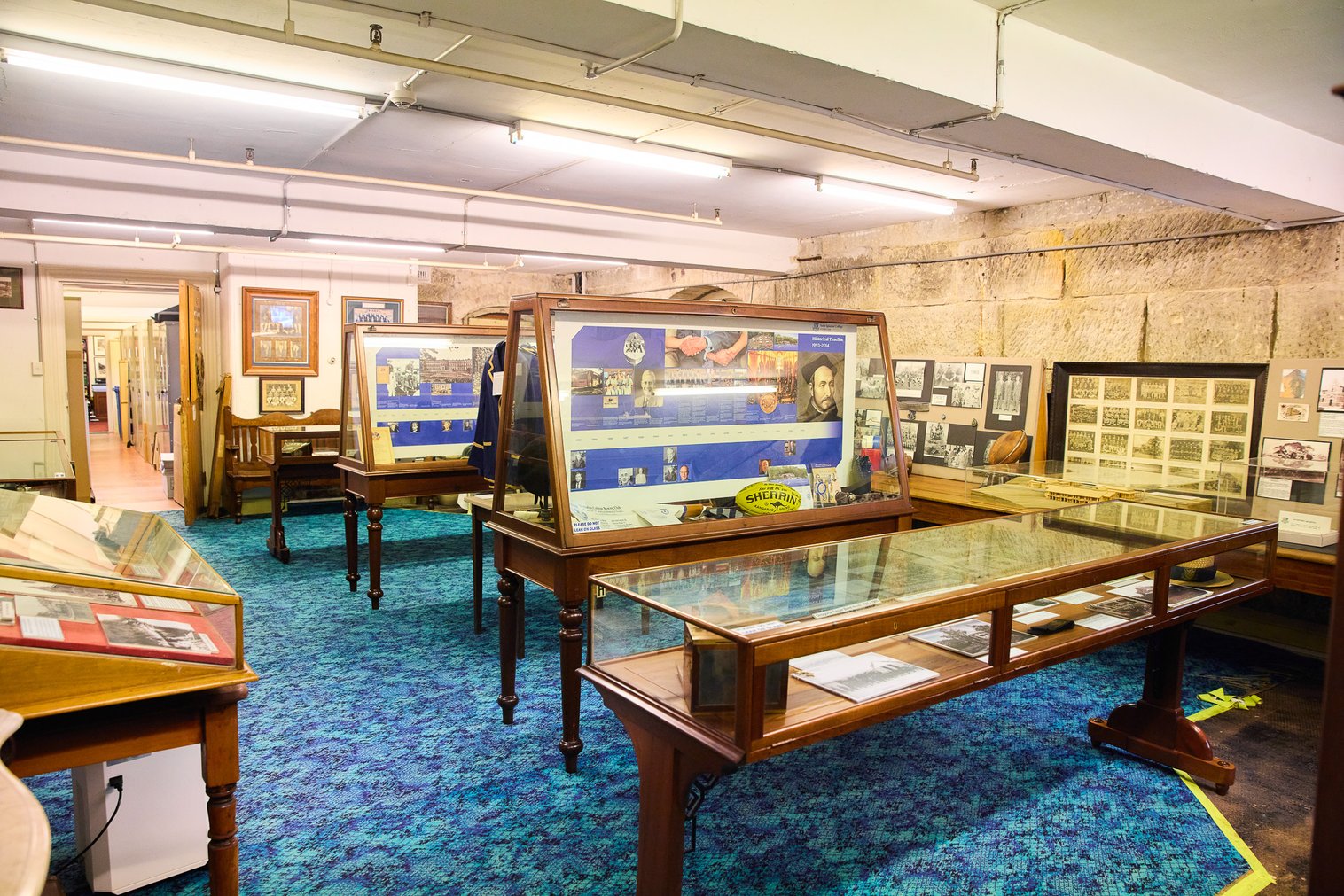
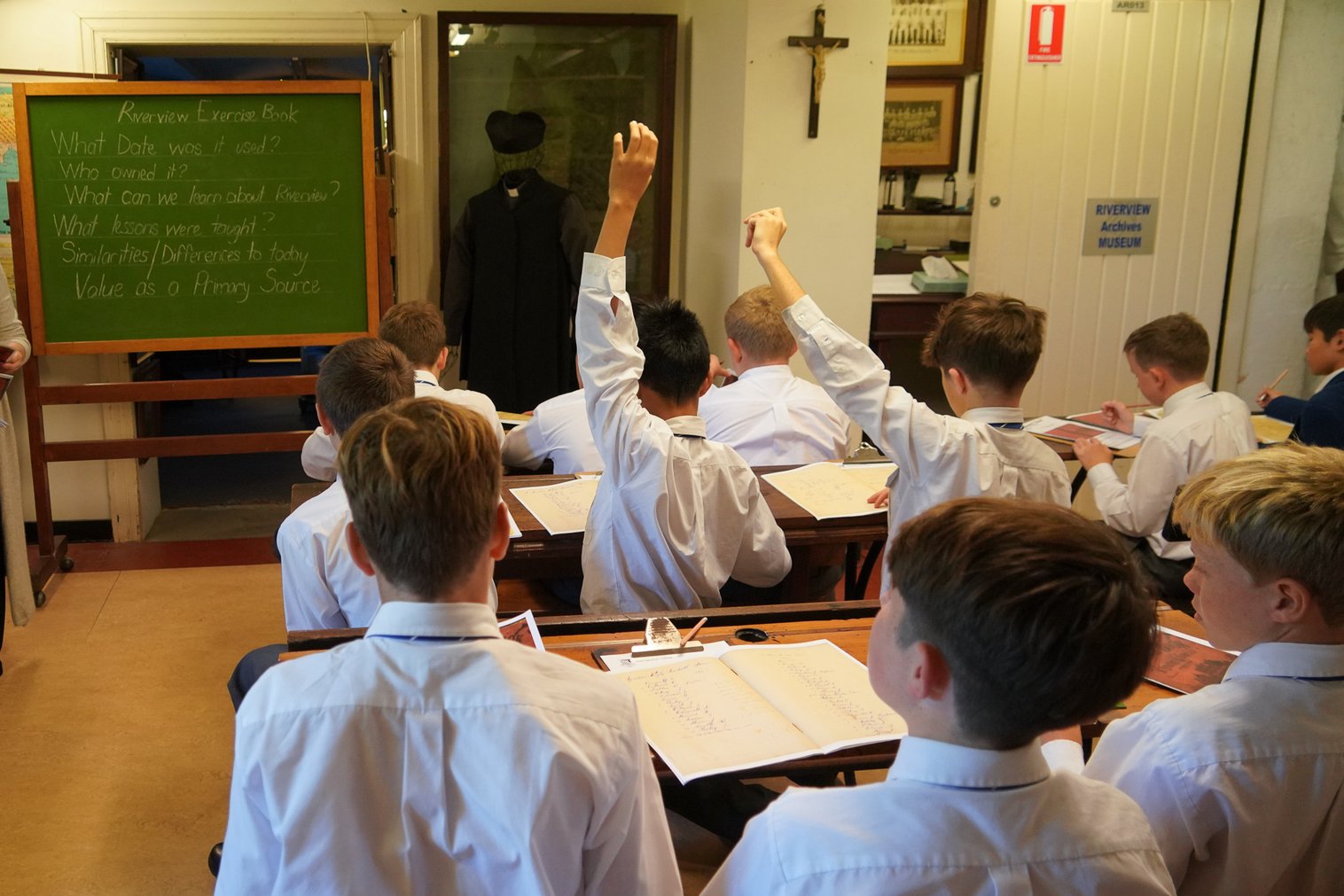
Riverview Archives was established in 1974 to bring together, in one secure area, archival material which for nearly a century had been scattered throughout various offices and storage areas across the College grounds. Not only did this ensure that these items were stored securely, but it was also understood that professional advice concerning their care was required. Since its establishment, the Archives has been under the care of a professional Archivist.
The collection includes documents, photographs, and museum objects dating back to 1878 when Father Joseph Dalton SJ concluded arrangements to purchase the Riverview peninsula. The collection also includes personal papers, diaries and memorabilia that have been donated by past students which tell the story of their time at Riverview and, in some cases, aspects of their lives after leaving the College.
Riverview Archives welcomes donations of items relevant to the history of the College. Whilst Riverview Archives exists initially to care for the archival records of the College, the Archives welcomes donations of items which have relevance to the history of the College.
The Archives collects historical items of individuals connected with the College which illustrate a cross-section of College life.
Records are accepted in every format, whether manuscript, printed or machine readable; also photographs, pictures, film and artefacts such as sporting medals and trophies.
If you have an historical research enquiry or an enquiry regarding the donation of historical material, the Archivist can be contacted on archives@riverview.nsw.edu.au.